Dermal Fillers
The Vector Approach: How Lifting the Cheeks Naturally Softens Smile Lines
One of the most common concerns patients bring to an aesthetic consultation is the appearance of deepening lines running from the sides of the nose down towards the corners of the mouth. These are known as nasolabial folds - or more commonly, smile lines. Many people wonder whether treating these lines directly is the most effective approach, or whether there is a more nuanced method that works with the face's natural structure.
Introduction
One of the most common concerns patients bring to an aesthetic consultation is the appearance of deepening lines running from the sides of the nose down towards the corners of the mouth. These are known as nasolabial folds - or more commonly, smile lines. Many people wonder whether treating these lines directly is the most effective approach, or whether there is a more nuanced method that works with the face's natural structure.
The answer often lies higher up the face than patients might expect. The vector lifting approach - a technique centred on restoring volume and support in the mid-face and cheeks - has become an increasingly discussed option in aesthetic medicine for addressing smile lines in a way that respects natural facial anatomy.
This article explores how the vector lifting approach works, why cheek support plays such an important role in the appearance of smile lines, what patients might realistically expect, and when a professional consultation may be a helpful next step. Understanding the principles behind this technique can help patients make informed, confident decisions about their options.
What Is the Vector Lifting Approach for Smile Lines?
Unlike treatments that place filler directly into the nasolabial crease to mask its depth, the vector approach works by addressing what lies above it - the mid-face structural framework that, when diminished, allows surrounding tissue to descend and deepen the fold. This distinction matters clinically: restoring volume at the source often yields a more proportionate and longer-lasting improvement than filling the fold in isolation, and avoids the risk of a heavy or overfilled appearance around the nose and mouth. Individual suitability varies and is always assessed during a face-to-face consultation.
Understanding Nasolabial Folds and Why They Deepen Over Time
Nasolabial folds are a natural feature of the face. In youth, they appear as soft, subtle creases that form when we smile or express emotion. As part of the normal ageing process, however, these lines can become more pronounced at rest - and this is often when patients begin to feel self-conscious about their appearance.
The deepening of smile lines is rarely caused by a single factor. Several processes contribute, including:
Loss of facial volume, particularly in the cheeks and mid-face Descent of soft tissue due to reduced structural support Skin laxity as collagen and elastin fibres become less abundant Gravitational changes affecting the position of soft tissue over time
What is important to understand is that the nasolabial fold itself is often a consequence of changes happening above it. When the cheek loses volume and the mid-face descends, the tissue folds over upon itself at the nasolabial crease. This is why many experienced practitioners choose to address the root cause - the mid-face - rather than filling the fold directly as a first intervention.
Ready to look your best?
Book a free, no-obligation consultation with our medically led team in South Kensington.
What Is the Vector Lifting Approach?
The vector lifting approach is a technique within aesthetic medicine that focuses on the direction, depth, and placement of dermal filler to achieve a lifting effect, rather than simply adding volume. The term vector refers to the specific angle and trajectory along which the product is placed - essentially guiding the soft tissue upward and outward rather than simply filling a hollow.
When applied to the cheek and mid-face region, this technique typically involves:
Identifying the correct anatomical vectors for that individual's facial structure Placing hyaluronic acid-based filler at precise depths within or adjacent to the cheek fat pads and bony structures Creating a lifting scaffold that supports the overlying soft tissue
The goal is not to create an artificial or exaggerated cheek projection, but rather to restore the structural support that has diminished over time. When performed by a qualified and experienced practitioner, this approach aims to produce a natural-looking result that gently softens the mid-face and, as a secondary benefit, reduces the appearance of nasolabial folds.
Treatment suitability is highly individual and should always be assessed during a face-to-face consultation.
The Science of Facial Volume Loss and Mid-Face Ageing
To understand why the vector approach can be effective, it helps to look at what happens to the face structurally as we age.
The face is supported by several layers: bone, deep fat compartments, muscle, superficial fat, and skin. Each of these layers changes over time:
Bone resorption occurs in areas such as the orbital rim and jaw, reducing the skeletal framework that supports the overlying tissue Deep fat compartments deflate, particularly in the malar (cheek) region, reducing the fullness and projection of the mid-face Superficial fat redistributes, sometimes descending southward and contributing to heaviness around the lower face and jowls Collagen production slows from the mid-twenties onward, meaning the skin becomes progressively less able to maintain its firmness and elasticity Elastin fibres degrade, reducing the skin's capacity to spring back into position
The cumulative effect of these changes is a downward shift in the facial soft tissue, which directly increases the depth and visibility of the nasolabial fold. By addressing volume loss higher in the face - at the cheeks - the vector approach attempts to counteract this descent and restore a more youthful spatial relationship between the mid-face and lower face.
How Cheek Lifting Influences the Appearance of Smile Lines
The relationship between cheek volume and smile line depth is well-recognised in aesthetic medicine. The cheek fat pad, when adequately supported, acts as a kind of anchor for the surrounding tissue. When this support diminishes, the tissue above the nasolabial fold can fall forward and downward, making the crease appear deeper and more static.
By restoring projection and lift in the cheek area using the vector approach, the mid-face tissue is gently repositioned. This can have a downstream effect on the nasolabial fold - softening its appearance without the need to place filler directly into the crease itself.
This is considered by many practitioners to be a more anatomically harmonious approach because:
It addresses a structural cause rather than masking a surface symptom It avoids the potential for an overfilled or unnatural appearance around the nose and mouth It tends to produce results that integrate more naturally with the face's overall proportions
It is important to note, however, that not every patient will be best served by cheek lifting alone. Some individuals may benefit from a combined approach, whilst others may have different underlying causes for their smile lines. Only a qualified practitioner, following a thorough assessment, can advise on the most appropriate plan for each individual.
Not sure which treatment is right for you?
Speak to our practitioners — we will assess your needs and recommend a tailored plan.
Who May Consider a Professional Consultation for This Approach?
Patients who may find a consultation helpful include those who:
Have noticed a gradual deepening of lines from the nose to the corners of the mouth Feel their cheeks appear flatter or less defined than they did in earlier years Have tried treating the smile lines directly without achieving the result they were hoping for Are interested in a more natural, structurally-informed approach to facial rejuvenation Are in generally good health and hold realistic expectations about what aesthetic treatment can and cannot achieve
It is worth noting that the vector approach is not suitable for everyone. Patients with certain medical conditions, those taking particular medications, or those with specific skin concerns may not be appropriate candidates. Pregnancy and breastfeeding are also contraindications to most injectable treatments.
A thorough consultation - including a detailed medical history and facial assessment - is essential before any treatment decision is made. For those exploring this option in London, the team at Pantaleo Clinic offers professional dermal filler consultations to help patients understand their options based on their individual anatomy and goals.
What to Expect: Realistic Outcomes and Individual Variation
Understanding what the vector lifting approach can and cannot achieve is an important part of informed decision-making.
Potential outcomes that patients often report include:
A more defined cheek contour A softer or less prominent nasolabial fold A refreshed overall appearance that does not look obviously treated Improved facial balance and proportion
Important limitations and realistic expectations:
Results vary considerably between individuals based on age, skin quality, bone structure, and the degree of volume loss The treatment does not reverse laxity in the skin itself, and patients with significant skin sagging may require additional interventions Swelling, bruising, and tenderness are common in the days following treatment and can temporarily affect the appearance of results The procedure requires a skilled practitioner who understands facial anatomy and vector placement - the technique is not without risk if performed incorrectly Dermal fillers are temporary. Most hyaluronic acid-based products in the cheek region last approximately 12-18 months, though this varies between individuals and products
No aesthetic treatment can guarantee a specific outcome. Results are always subject to individual variation, and patients should approach any consultation with open, realistic expectations.
Dermal Filler vs. Direct Fold Treatment: Understanding the Difference
Patients researching smile line treatment will often encounter two broad approaches: treating the fold directly by placing filler within the nasolabial crease itself, or treating the mid-face to address the structural cause. Both approaches have their place in aesthetic practice, and the most appropriate option will depend on the individual.
Direct nasolabial filler may be appropriate when: Volume loss in the fold itself is the primary issue The mid-face retains adequate structural support Mild to moderate fold depth is present
Mid-face vector lifting may be more appropriate when: Mid-face volume loss and descent are contributing to the fold A more natural, structurally integrated result is desired Previous direct fold treatment has not produced satisfactory results
Many practitioners use a combination of both approaches, tailored to the patient's anatomy. It is also worth noting that anti-wrinkle treatments such as botulinum toxin injections (a prescription-only medicine in the UK) may sometimes complement a cheek lifting approach, depending on the individual's concerns.
The decision should always be made collaboratively, following a thorough face-to-face assessment.
Trusted, medically led care in London
Explore our full range of aesthetic treatments and transparent pricing.
Aftercare and Skin Health Considerations Following Cheek Filler Treatment
Responsible aftercare supports both the safety and longevity of treatment outcomes. Whilst your practitioner will provide personalised aftercare guidance, the following general principles are widely recommended:
Avoid intense exercise, saunas, and hot environments for 24-48 hours following treatment to minimise swelling and bruising Do not apply pressure or massage the treated area unless specifically instructed to do so by your practitioner Stay well hydrated - hyaluronic acid-based fillers attract water, and good hydration supports the appearance of the skin Apply daily SPF 30 or higher to protect the skin from UV-related collagen damage, which can accelerate the ageing process Maintain a consistent skincare routine that supports skin barrier function, including gentle cleansing, moisturising, and the use of evidence-based actives such as retinoids or antioxidants as recommended by your practitioner Attend follow-up appointments as advised, to assess results and address any concerns Report any unexpected symptoms - including unusual swelling, blanching of the skin, or signs of vascular compromise - to your practitioner promptly
Longer-term skin health is supported by healthy lifestyle habits, including a balanced diet, adequate sleep, and avoidance of smoking, which is known to accelerate skin ageing.
For patients interested in supporting their results with additional skin rejuvenation options, Polynucleotide (PDRN) treatments may offer complementary skin quality benefits worth discussing at consultation.
Key Points to Remember
The vector lifting approach focuses on restoring cheek and mid-face volume along specific anatomical angles to provide a gentle lifting effect Deepening smile lines are often partly caused by mid-face volume loss and tissue descent - addressing the cheeks may naturally soften the nasolabial fold This approach is not universally suitable and requires individual assessment by a qualified practitioner Results vary between patients and are influenced by age, skin quality, bone structure, and degree of volume loss Dermal fillers are temporary; most last approximately 12-18 months in the cheek region, though individual variation applies Informed, realistic expectations and a thorough professional consultation are essential before proceeding with any aesthetic treatment
Frequently Asked Questions
Will lifting the cheeks with filler definitely reduce my smile lines?
Cheek lifting using a vector approach can contribute to a softening of nasolabial folds in patients where mid-face volume loss is a contributing factor. However, results are not guaranteed and vary considerably between individuals. Some patients may require a combination of approaches to address their concerns. The only way to understand what may be achievable for you specifically is through a face-to-face consultation with a qualified practitioner who can assess your anatomy and discuss your goals in detail.
Is the vector lifting approach painful?
Aesthetic injections are typically associated with mild to moderate discomfort. Most practitioners use a topical numbing cream prior to treatment, and many dermal filler products contain lidocaine (a local anaesthetic) within the formulation to improve comfort during the procedure. Individual pain tolerance varies, and patients are encouraged to discuss any concerns about discomfort with their practitioner before treatment begins.
How long does cheek filler using the vector approach last?
The longevity of dermal filler results depends on several factors, including the product used, the area treated, the patient's metabolism, and lifestyle factors. Hyaluronic acid-based fillers placed in the cheek region generally last between 12 and 18 months, although individual variation is significant. Some patients may find results last longer; others may notice a gradual diminution earlier. Your practitioner will advise on an appropriate review schedule.
Are there risks associated with cheek filler treatment?
As with all injectable aesthetic treatments, cheek filler carries potential risks. Common side effects include bruising, swelling, tenderness, and temporary asymmetry. More serious complications, though uncommon, include infection, nodule formation, and vascular occlusion - a rare but serious complication where filler affects blood supply to the surrounding tissue. Choosing a qualified, experienced practitioner working in an appropriate clinical environment significantly reduces these risks. Always ensure your practitioner can discuss complications management with you prior to treatment.
Am I a suitable candidate for the vector cheek lifting approach?
Suitability depends on many individual factors, including your medical history, current medications, the degree of facial volume loss, your skin quality, and your overall health. This approach is not appropriate for everyone. A thorough consultation - during which your practitioner reviews your history, assesses your facial anatomy, and discusses your goals - is the only appropriate way to determine suitability. Never proceed with treatment without a proper face-to-face assessment.
Can the vector approach be combined with other treatments?
In many cases, practitioners may recommend a combination approach to address multiple aspects of facial ageing. This could include anti-wrinkle injections, skin quality treatments such as polynucleotides or skin boosters, or direct nasolabial fold treatment alongside cheek lifting. The appropriateness of any combination depends entirely on the individual's concerns and anatomy. Your practitioner will discuss all relevant options during your consultation and create a plan tailored to your specific needs and goals.
Ready to look your best?
Book a free, no-obligation consultation with our medically led team in South Kensington.
Conclusion
The vector lifting approach represents a thoughtful, anatomy-informed method for addressing smile lines by focusing on the structural cause - mid-face and cheek volume loss - rather than simply treating the surface appearance of nasolabial folds. By restoring cheek support along carefully considered anatomical vectors, this technique aims to soften smile lines in a way that harmonises with the natural proportions and contours of the face.
As with any aesthetic treatment, there are no guaranteed outcomes. Results depend on individual anatomy, the skill and experience of the practitioner, the products used, and a range of patient-specific factors. The approach is not suitable for everyone, and a thorough professional assessment is essential.
If you are considering aesthetic treatment for smile lines or mid-face rejuvenation, speaking with a qualified practitioner is the most important first step. Understanding your options, asking questions, and forming realistic expectations will help you make an informed and confident decision.
Treatment suitability, risks, and expected outcomes should always be assessed individually during a professional consultation.
To explore this further, see Understanding Different Treatment Volumes: What 0.5ml and 1ml May Mean in Practice.
You may also find our guide useful: Who May Be Suitable for Under-Eye Injectable Treatments?.
Written by Pantaleo Team
Medically led aesthetic clinic
Dermal Fillers
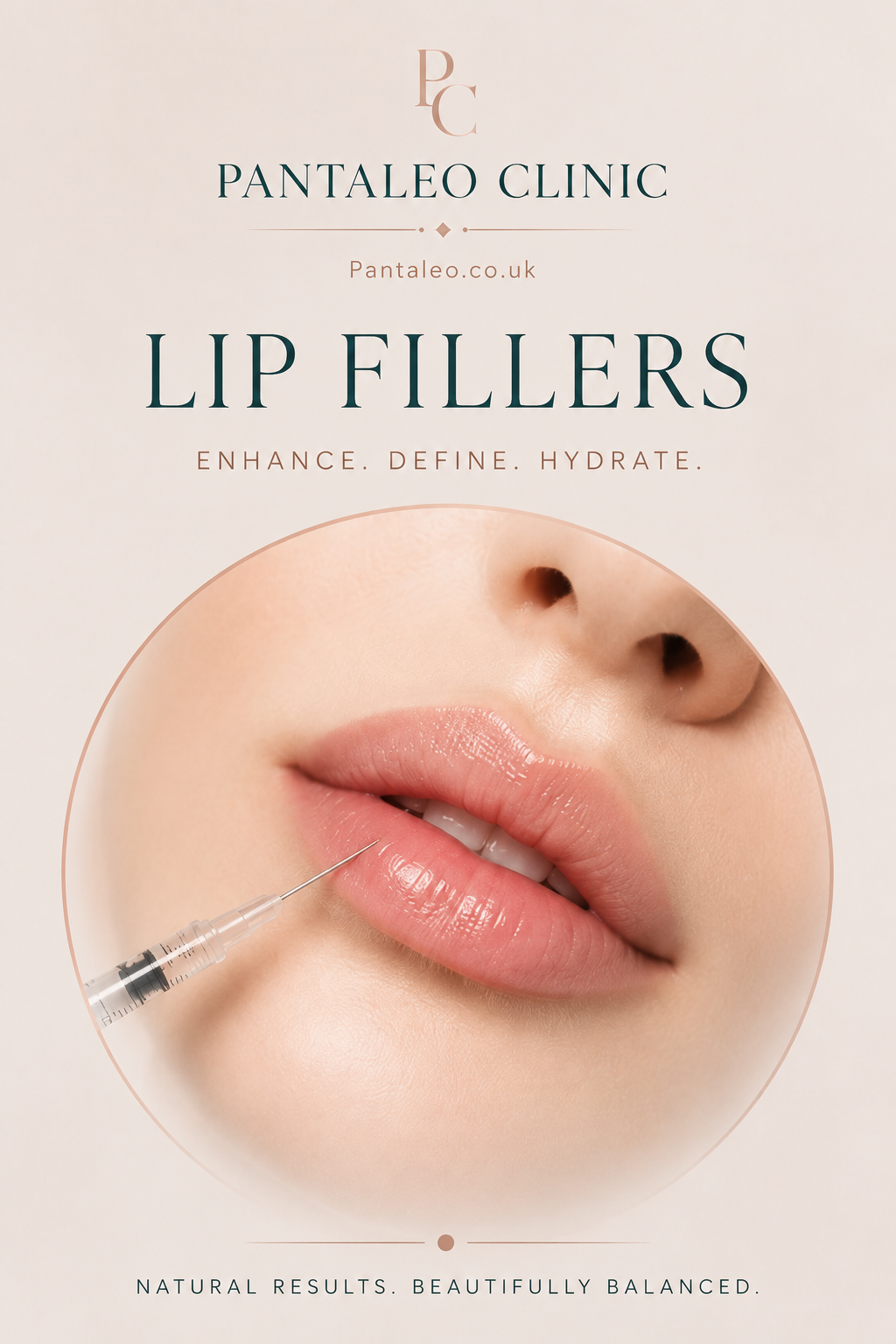
Interested in Lip Fillers?
Book a complimentary, no-pressure consultation with our GDC-registered practitioner to find out whether this treatment is right for you.