Hyperhidrosis
Why Men Are Leading the Demand for Non-Surgical Hyperhidrosis Relief
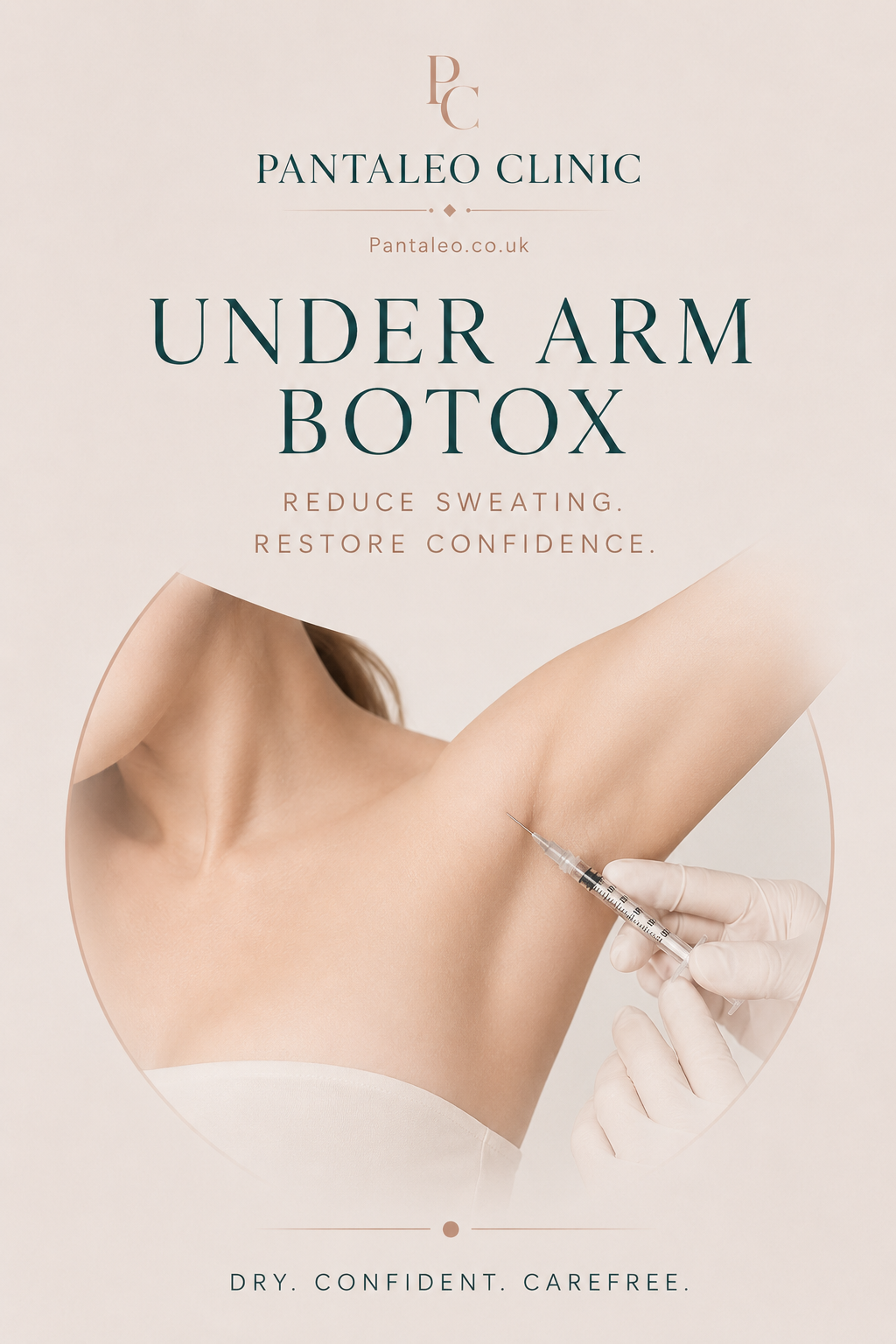
Excessive sweating — clinically known as hyperhidrosis — is one of those deeply personal concerns that many people quietly manage for years before seeking professional help. For men in particular, persistent sweating of the underarms, hands, or forehead can significantly affect confidence, professional life, and everyday comfort, yet it often goes undiscussed. In recent years, however, a notable shift has occurred: men are increasingly researching and seeking non-surgical hyperhidrosis treatment as a practical, medically recognised solution.
Introduction
Excessive sweating — clinically known as hyperhidrosis — is one of those deeply personal concerns that many people quietly manage for years before seeking professional help. For men in particular, persistent sweating of the underarms, hands, or forehead can significantly affect confidence, professional life, and everyday comfort, yet it often goes undiscussed. In recent years, however, a notable shift has occurred: men are increasingly researching and seeking non-surgical hyperhidrosis treatment as a practical, medically recognised solution.
This growing interest reflects a broader cultural change in how men approach health and self-care — moving away from the idea of simply "putting up with it" towards exploring evidence-informed options. Whether triggered by concerns about clothing, professional settings, or simply quality of life, the decision to seek advice is an important and entirely valid one.
This article explores what non-surgical hyperhidrosis treatment involves, how it works, who may be a suitable candidate, and what realistic expectations look like — helping readers make informed decisions before considering a professional consultation.
What Is Non-Surgical Hyperhidrosis Treatment for Men?
Non-surgical hyperhidrosis treatment — most commonly delivered using botulinum toxin injections — temporarily reduces excessive sweating by blocking signals to the sweat glands. Men are increasingly seeking this approach due to its convenience, minimal downtime, and clinically recognised effectiveness. Treatment suitability always requires individual assessment by a qualified practitioner.
Understanding Hyperhidrosis: More Than Just Sweating
Hyperhidrosis is characterised by sweating that occurs beyond what the body requires for temperature regulation. It can affect specific areas — most commonly the underarms (axillary hyperhidrosis), palms, feet, and forehead — or, less commonly, the body more broadly.
For many individuals, the condition begins in adolescence or early adulthood and may continue indefinitely without intervention. It is not caused by heat or exercise alone; it can occur at rest, in cool environments, or during moments of minimal physical exertion.
Importantly, hyperhidrosis is a recognised medical condition. It is not simply a hygiene issue or a reflection of fitness. Research suggests it affects approximately 1–3% of the population to a clinically significant degree, though many more manage milder symptoms without a formal diagnosis.
Men may be particularly affected in professional and social contexts — shaking hands, presenting in meetings, or wearing certain fabrics — and this practical impact on daily life is often what prompts them to begin researching solutions. Understanding the condition properly is an important first step before exploring treatment options.
Ready to look your best?
Book a free, no-obligation consultation with our medically led team in South Kensington.
Why Men Are Increasingly Researching Hyperhidrosis Treatment
The aesthetic and wellness industry has seen a marked increase in male patients over the past decade. Non-surgical hyperhidrosis treatment has become one of the more commonly requested procedures among men, and several factors help explain this trend.
Firstly, increased awareness. As aesthetic medicine has become more mainstream and less stigmatised for men, previously avoided conversations about personal concerns — including excessive sweating — have become more accessible. Online searches, peer discussion, and social media have all contributed to greater awareness of available solutions.
Secondly, practical motivation. Men often seek hyperhidrosis treatment not primarily for aesthetic reasons but for functional ones: to feel more comfortable at work, reduce reliance on specialist clothing, and improve confidence in social settings. This practical, problem-solving approach aligns well with non-surgical treatment options that offer targeted results with minimal disruption to daily life.
Thirdly, reduced stigma around seeking help. Attitudes towards men's health — both physical and aesthetic — have shifted meaningfully. More men feel comfortable consulting qualified practitioners about concerns that were previously considered too personal to address professionally.
It is worth noting that treatment suitability depends entirely on individual assessment. Not every person with excessive sweating will be an appropriate candidate for the same intervention.
How Non-Surgical Hyperhidrosis Treatment Works: The Science Explained
The most widely used non-surgical approach to hyperhidrosis involves the administration of botulinum toxin — a purified protein derived from Clostridium botulinum bacteria — into the skin of the affected area, as outlined in this clinical explainer on how sweat-signal blocking injections work.
Sweat glands are activated by the nervous system via a chemical messenger called acetylcholine. Under normal circumstances, nerve endings release acetylcholine to signal sweat glands to produce sweat. In individuals with hyperhidrosis, this signalling is overactive, leading to excessive and often unpredictable sweating.
Botulinum toxin works by temporarily inhibiting the release of acetylcholine at the nerve–gland junction. When injected into the skin at precise intervals across the treatment area — typically the underarms, palms, or forehead — it reduces the ability of local nerve endings to stimulate sweat production in that region.
In the UK, botulinum toxin products used in aesthetic medicine are prescription-only medicines and should only be used following an individual clinical assessment by a qualified prescriber.
Crucially, the effect is localised. Sweat glands elsewhere in the body continue to function normally, meaning the body's overall temperature regulation is not compromised. The treatment does not eliminate sweating permanently; the nerve endings gradually regain function over time, which is why results are temporary and repeat treatments are typically required.
This mechanism is well-established in clinical literature, and botulinum toxin for axillary hyperhidrosis has regulatory approval in numerous countries, including the United Kingdom, when administered by qualified practitioners.
What Does the Treatment Process Involve?
For those considering non-surgical hyperhidrosis treatment, understanding the process can help set realistic expectations and reduce any uncertainty.
Consultation: Any responsible treatment begins with a thorough consultation. A qualified practitioner will take a detailed medical history, discuss the nature and impact of the sweating, assess whether the pattern is consistent with primary or secondary hyperhidrosis, and determine whether botulinum toxin injections are appropriate. This step is essential and cannot be bypassed safely.
Treatment planning: If deemed suitable, the practitioner will map the treatment area. For underarm hyperhidrosis, a starch-iodine test is sometimes used to identify the most active sweat zones.
The procedure: Fine needles are used to administer small amounts of botulinum toxin at regular intervals across the treatment zone. The procedure is typically well-tolerated, though discomfort levels vary between individuals and treatment sites — palmar (hand) injections, for instance, tend to be more sensitive than underarm treatment.
Duration: The procedure itself usually takes 20–45 minutes depending on the areas treated.
Downtime: Most individuals are able to return to normal activities on the same day, though practitioners may recommend avoiding vigorous exercise and certain environments for a short period afterwards.
At Pantaleo Clinic's underarm hyperhidrosis treatment service, all treatment decisions follow a thorough and individualised consultation process in line with UK clinical standards.
Not sure which treatment is right for you?
Speak to our practitioners — we will assess your needs and recommend a tailored plan.
Who May Be a Suitable Candidate?
Non-surgical hyperhidrosis treatment may be appropriate for individuals who:
Experience persistent, excessive sweating in specific areas that significantly affects daily life Have not found adequate relief from topical antiperspirant products, including clinical-strength formulations Are in generally good health with no contraindications to botulinum toxin Have realistic expectations about the temporary nature of results Are able to commit to follow-up appointments when required
Treatment may not be suitable for individuals who are pregnant or breastfeeding, have certain neuromuscular conditions, are taking particular medications that interact with botulinum toxin, or have active skin infections in the intended treatment area.
It is also important to acknowledge that some individuals presenting with excessive sweating may have an underlying medical cause — such as thyroid dysfunction, hormonal changes, or certain medications — that warrants investigation before cosmetic or aesthetic treatment is considered. A responsible practitioner will always take a thorough history and, where appropriate, recommend further medical review before proceeding.
This is why professional consultation is not simply a formality — it is a clinical safeguard.
Realistic Expectations: Benefits, Limitations, and Individual Variation
Potential benefits:
For suitable candidates, non-surgical hyperhidrosis treatment may offer:
A meaningful reduction in localised sweating within the treated area Improved comfort in professional and social settings Reduced reliance on specialist antiperspirant products or protective clothing A generally well-tolerated procedure with minimal recovery requirements
Realistic expectations:
Results typically begin to become noticeable within one to two weeks of treatment, with the full effect often apparent after two weeks. The duration of effect varies between individuals but generally ranges from four to twelve months, with underarm treatments often lasting longer than palmar treatments; for timing detail, see how long underarm sweat relief usually lasts.
Repeat treatments are required to maintain results. Individual response varies, and some people may find one treatment area responds more readily than another.
Results are temporary and not permanent Not all patients will achieve the same degree of reduction Some areas (particularly the palms) may be more uncomfortable to treat The procedure requires repeat visits to maintain effect It addresses localised sweating rather than the underlying physiological tendency towards hyperhidrosis Treatment is not appropriate for everyone — suitability must be individually assessed
Outcome guarantees are not possible in aesthetic medicine, and any practitioner who suggests otherwise should be approached with caution.
Aftercare and Post-Treatment Guidance
Following non-surgical hyperhidrosis treatment, practitioners typically advise the following general aftercare principles, though individual guidance may vary:
Avoid vigorous physical activity for 24–48 hours to reduce the risk of product migration from the injection sites Avoid heat exposure — including saunas, steam rooms, and hot baths — for 24–48 hours Avoid applying deodorant or antiperspirant to the treated area immediately after underarm treatment, particularly if the skin has been sensitised Avoid massaging or rubbing the treated area in the immediate post-treatment period Attend follow-up appointments as recommended by your practitioner to monitor results and discuss any concerns
General skin health practices — including adequate hydration, a balanced diet, and appropriate skincare — remain relevant to overall wellbeing, even if they do not directly influence hyperhidrosis treatment outcomes.
If any unexpected reactions occur following treatment, patients are advised to contact their treating practitioner promptly rather than waiting for a scheduled follow-up.
Trusted, medically led care in London
Explore our full range of aesthetic treatments and transparent pricing.
When Professional Assessment May Be Helpful
Individuals who experience any of the following may find it beneficial to discuss their concerns with a qualified practitioner:
Excessive underarm sweating that soaks through clothing regularly, regardless of physical activity or temperature Sweating of the palms, feet, or forehead that interferes with work, social activities, or confidence Persistent sweating that has not responded adequately to topical treatments Concerns about whether sweating may have an underlying medical cause Questions about treatment options and what may or may not be appropriate for their specific situation
A professional consultation does not commit a person to any treatment. It is an opportunity to receive personalised, evidence-informed advice from a qualified practitioner who can assess individual circumstances, explain all relevant options, and help the patient make an informed decision.
To explore your options in a supportive clinical environment, you may wish to book a consultation at Pantaleo Clinic.
Comparing Non-Surgical Options: Where Does Hyperhidrosis Treatment Sit?
Non-surgical hyperhidrosis treatment is one of several approaches that may be considered depending on severity, the areas affected, and individual preference.
Topical treatments — including clinical-strength aluminium-based antiperspirants — are typically the first line of management for mild to moderate hyperhidrosis and remain an important option for many individuals.
Iontophoresis — a technique using mild electrical currents passed through water to temporarily reduce sweating — may be considered for palm and foot hyperhidrosis, though it requires regular sessions.
Botulinum toxin injections — as discussed throughout this article — are a well-established non-surgical option for individuals who have not achieved adequate results from topical approaches.
Surgical options — including endoscopic thoracic sympathectomy — exist for severe, treatment-resistant cases but carry significant risks and are generally considered only after other approaches have been exhausted.
Non-surgical treatment occupies a practical middle ground: more targeted and often more effective than topical measures for moderate to severe hyperhidrosis, but without the risks or recovery associated with surgical intervention. Understanding this landscape allows patients to have more informed conversations with their practitioners.
For those interested in broader non-surgical treatment pricing and options, individual assessment remains central to all treatment planning.
Key Points to Remember
Non-surgical hyperhidrosis treatment using botulinum toxin injections is a clinically recognised approach to reducing excessive localised sweating Men represent a growing proportion of patients seeking this treatment, driven by practical motivations and reduced stigma around addressing personal health concerns Results are temporary — typically lasting four to twelve months — and repeat treatments are required to maintain effect Treatment suitability must be individually assessed by a qualified practitioner; it is not appropriate for everyone A thorough consultation is essential before any treatment, including consideration of whether excessive sweating may have an underlying medical cause Realistic expectations are important — while many suitable patients report meaningful improvement, outcomes vary between individuals and cannot be guaranteed
Ready to look your best?
Book a free, no-obligation consultation with our medically led team in South Kensington.
Frequently Asked Questions
How long does non-surgical hyperhidrosis treatment last?
The duration of results varies between individuals and treatment sites. For underarm hyperhidrosis, results commonly last between six and twelve months. Palmar (hand) treatments may have a shorter duration of effect, often ranging from four to six months. Individual physiology, the dose administered, and the specific area treated all influence longevity. A qualified practitioner will be able to discuss realistic expectations based on individual assessment. Repeat treatments are required to maintain results over time.
Is non-surgical hyperhidrosis treatment painful?
Discomfort levels vary depending on the area being treated and individual pain tolerance. Underarm treatment is generally well-tolerated by most patients. Palmar (hand) and plantar (foot) treatments are often reported as more uncomfortable due to the higher density of nerve endings in those areas. Practitioners may use topical anaesthetic cream, cooling techniques, or other comfort measures to reduce discomfort during the procedure. Any specific concerns about pain or sensitivity should be discussed during the consultation.
Are there any risks associated with botulinum toxin for hyperhidrosis?
As with any medical procedure, botulinum toxin treatment for hyperhidrosis carries potential risks and side effects. These may include temporary bruising, redness, or tenderness at the injection sites, mild headache, and — in rare cases — temporary localised muscle weakness near the treated area. Serious adverse events are rare when treatment is performed by a suitably qualified and experienced practitioner using appropriate technique and dosing. A full discussion of risks, relative to individual health history, should form part of every pre-treatment consultation.
Can excessive sweating be a sign of an underlying medical condition?
Yes. In some cases, hyperhidrosis is secondary to an underlying medical cause, such as thyroid disorders, hormonal changes, certain medications, or other systemic conditions. This is referred to as secondary hyperhidrosis, in contrast to primary hyperhidrosis, which occurs without an identifiable underlying cause. A responsible practitioner will take a thorough medical history and, where appropriate, recommend further medical investigation before proceeding with aesthetic treatment. Patients with new or sudden onset of excessive sweating, or sweating accompanied by other unexplained symptoms, should consult their GP.
How many treatment sessions will I need?
For most patients, a single treatment session is sufficient to achieve the initial effect. However, because results are temporary, repeat sessions are required to maintain results — typically every six to twelve months for underarm treatment, or more frequently for other areas. Individual response varies, and some patients may find that subsequent sessions maintain results for longer periods as patterns are established. A practitioner will advise on an appropriate treatment schedule based on individual response and goals.
Is non-surgical hyperhidrosis treatment suitable for everyone?
No. Treatment suitability depends on a thorough individual assessment. There are specific contraindications — including pregnancy, breastfeeding, certain neuromuscular conditions, and particular medications — that may make treatment unsuitable or require careful consideration. Additionally, if excessive sweating is secondary to an underlying medical condition, that condition should be addressed appropriately before cosmetic intervention is considered. A qualified practitioner will assess individual circumstances during consultation and advise accordingly. No treatment should be undertaken without this personalised assessment process.
Conclusion
The increasing number of men seeking non-surgical hyperhidrosis treatment reflects a meaningful shift in how men approach personal health concerns — with greater openness, pragmatism, and access to evidence-informed solutions. For those experiencing excessive localised sweating that affects daily life, professional assessment can provide clarity about available options and whether treatment may be appropriate.
Botulinum toxin injections for hyperhidrosis represent a well-established, clinically recognised approach that, for suitable candidates, may offer a meaningful reduction in localised sweating. However, results vary, the effect is temporary, and not every individual will be an appropriate candidate. Understanding these realities is central to making an informed decision.
If you are researching this topic, the most important step is to seek personalised advice from a qualified practitioner who can assess your individual circumstances, health history, and expectations. Treatment suitability, risks, and expected outcomes should always be assessed individually during a professional consultation.
Related reading from the Journal: Underarm Injections for Bridal Preparation: Managing Excessive Sweating on Your Big Day.
Written by Pantaleo Team
Medically led aesthetic clinic
Injectables
Interested in Under Arm Botox?
Book a complimentary, no-pressure consultation with our GDC-registered practitioner to find out whether this treatment is right for you.