Dermal Fillers
Treating Sad or Downturned Mouth Expressions Safely with Structural Volumisation
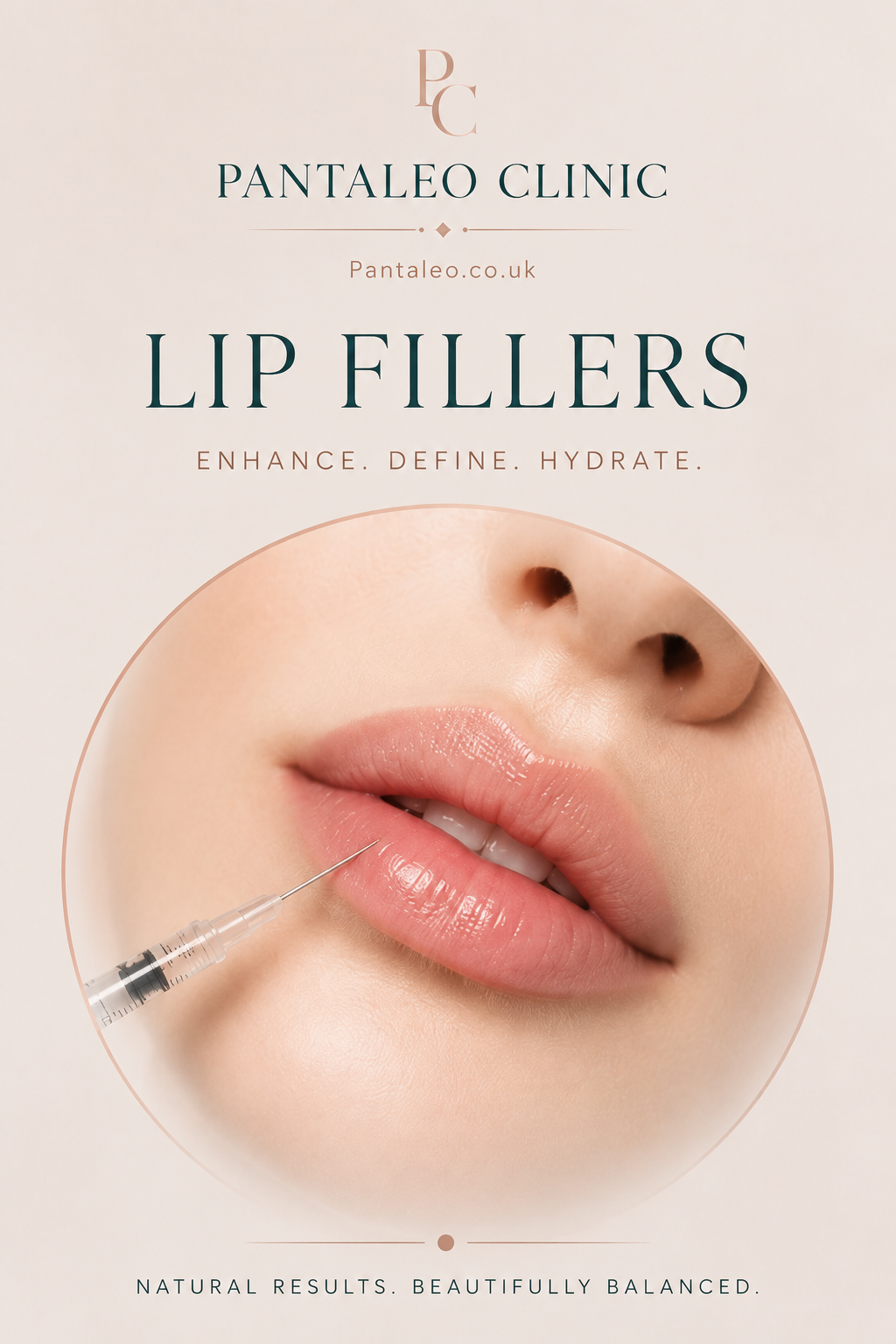
Many people reach a point where they notice that their resting expression appears tired, sad, or more serious than they actually feel. This is often described as a "downturned mouth" or a "sad mouth expression" - and it is one of the more common concerns that prompts patients to research aesthetic treatments online. The lower face is particularly susceptible to age-related changes, and for some individuals, this altered appearance can feel at odds with how they see themselves.
Introduction
Many people reach a point where they notice that their resting expression appears tired, sad, or more serious than they actually feel. This is often described as a "downturned mouth" or a "sad mouth expression" - and it is one of the more common concerns that prompts patients to research aesthetic treatments online. The lower face is particularly susceptible to age-related changes, and for some individuals, this altered appearance can feel at odds with how they see themselves.
Structural volumisation using dermal fillers is one approach that trained aesthetic practitioners may consider when addressing this concern. By restoring or repositioning volume in specific areas of the lower face, it may be possible to soften the downward pull that contributes to this expression.
This article explores what causes a downturned mouth, how structural volumisation works, what realistic expectations look like, and the important considerations patients should keep in mind when researching their options. It is intended as an educational resource, not a substitute for individual professional assessment.
What Is Structural Volumisation for a Downturned Mouth?
What is structural volumisation for treating a downturned mouth expression?
Structural volumisation for a downturned mouth involves the precise placement of dermal fillers - typically hyaluronic acid-based products - in areas of the lower face that have lost volume or support. By addressing volume loss in regions such as the jawline, chin, and corners of the mouth, a trained practitioner may help soften the appearance of a sad or downturned resting expression. Results vary by individual.
Understanding the Downturned Mouth: What Causes It?
A downturned mouth is not always simply a feature someone is born with. For many patients, this change develops gradually over time as part of the natural ageing process. Understanding the underlying causes can help patients make more informed decisions about whether to seek professional advice.
Several structural and biological changes contribute to the appearance of a downturned or sad mouth:
Volume loss in the mid and lower face: As we age, fat compartments in the cheeks and around the mouth diminish. This causes tissue to descend, pulling the corners of the mouth downward. Bone resorption: The facial skeleton subtly changes with age. Reduction in jaw and chin bone density can alter the support structure of the overlying soft tissue. Ligamentous laxity: The retaining ligaments that hold soft tissue in position weaken over time, contributing to descent of facial structures. Repeated muscle activity: The depressor anguli oris (DAO) muscle, which runs along the lower face, actively pulls the corners of the mouth downward. Over years of use, this can contribute to a consistently downturned appearance. Skin changes: Reduced collagen and elastin production means the skin offers less resistance to the forces acting on it.
In some patients, a downturned appearance may also have a genetic or anatomical component that has been present since early adulthood. Understanding which factors are at play is an important part of the assessment process.
Ready to look your best?
Book a free, no-obligation consultation with our medically led team in South Kensington.
The Science of Lower Face Ageing and Volume Loss
To understand why structural volumisation is considered in this context, it helps to understand what happens to the lower face at a cellular and structural level.
The dermis - the deeper layer of skin - is largely composed of collagen and elastin fibres. Collagen provides structural support and firmness, whilst elastin allows the skin to spring back after movement. From the mid-twenties onwards, collagen production begins to decline at a rate of approximately 1-2% per year. Elastin fibres simultaneously become less resilient. The combined effect is skin that is less able to maintain its position against gravitational and muscular forces.
Beneath the skin, the subcutaneous fat of the face is organised into compartments. With age, these compartments lose volume and shift position, contributing to hollowing in some areas and heaviness in others. The nasolabial folds deepen, the marionette lines (the lines running from the corners of the mouth downward) become more pronounced, and the corners of the mouth can begin to descend.
Hyaluronic acid - a naturally occurring substance in the skin - also decreases with age, reducing the skin's capacity to retain moisture and contributing to a deflated appearance. Hyaluronic acid-based dermal fillers can temporarily restore some of this volume, though results are always individual and temporary.
Understanding this science helps explain why a holistic, structural approach - rather than simply treating one line or crease - is often considered by experienced practitioners when addressing the lower face.
What Is Structural Volumisation?
Structural volumisation is an approach to dermal filler placement that focuses on restoring the underlying framework of the face, rather than simply filling individual lines or surface creases.
In the context of the lower face, this approach may involve placing filler in areas including:
The chin: To support and project the chin, which can help counterbalance the downward pull at the mouth corners. The jawline: To restore definition and provide foundational structure. The pre-jowl area: To address the subtle hollowing that can accentuate the marionette lines. The oral commissures (corners of the mouth): Small amounts of precisely placed filler may help lift the corners of the mouth. The marionette lines: Filler placed in these grooves may soften their depth.
The specific approach will depend entirely on the individual patient's anatomy, the degree of volume loss, the contribution of muscle activity, and the practitioner's clinical assessment. No two treatment plans are identical.
It is important to note that this approach is typically performed using hyaluronic acid-based fillers, which are reversible with hyaluronidase - an enzyme that dissolves hyaluronic acid - in the event of any concerns.
The Role of Anti-Wrinkle Injections in Addressing the Downturned Mouth
Structural volumisation is not always the only approach considered. In some patients, the downturned appearance at the corners of the mouth is significantly driven by overactivity of the depressor anguli oris (DAO) muscle, which actively pulls the mouth corners downward.
In these cases, a practitioner may consider using anti-wrinkle injections - typically botulinum toxin - to gently reduce the activity of this muscle. When the DAO is less active, the opposing muscles that lift the mouth corners may have a relatively greater effect, potentially softening the downturned appearance.
This approach carries its own considerations, risks, and suitability criteria. The dose must be carefully calibrated to avoid affecting neighbouring muscles involved in speech, eating, or facial expression. It is not appropriate for every patient, and its suitability can only be determined through thorough assessment by a qualified practitioner.
Many patients find that a combination approach - addressing both volume loss and muscle activity - produces the most harmonious results, though again, this is entirely individual.
Not sure which treatment is right for you?
Speak to our practitioners — we will assess your needs and recommend a tailored plan.
Who May Benefit from a Professional Consultation?
Aesthetic treatment is not appropriate or necessary for everyone who notices a downturned mouth expression. However, there are circumstances in which a professional consultation may be a helpful step.
You may wish to consider speaking with a qualified aesthetic practitioner if:
You have noticed a gradual change in the way your resting expression appears, and it no longer feels consistent with how you feel. You are experiencing a loss of definition along the jawline or lower face that is contributing to an aged or heavy appearance. Marionette lines have deepened to a degree that concerns you. You have researched treatment options online and wish to understand what may or may not be appropriate for your anatomy and concerns. You would like to understand the realistic outcomes, risks, and limitations of any treatments under consideration.
A professional consultation provides the opportunity to have your anatomy properly assessed, your concerns heard, and your questions answered - without any obligation to proceed with treatment. It is simply an informed conversation.
It is important to emphasise that aesthetic treatment is an individual decision, and there is no urgency to act. Many patients choose to learn about their options and return at a later stage when they feel ready.
Dermal Fillers: How They Work and What to Expect
Hyaluronic acid-based dermal fillers are the most commonly used products in structural lower face volumisation. Hyaluronic acid is a polysaccharide that naturally binds water molecules in the skin. When injected, it adds volume, structure, and hydration to the treatment area.
Different filler formulations have varying degrees of thickness, cohesivity, and lifting capacity. A practitioner will select the most appropriate product for each anatomical area based on clinical judgement and experience.
The treatment itself is typically performed with topical anaesthetic cream applied beforehand to improve patient comfort. Injections are made using either a needle or a cannula, depending on the area being treated and the practitioner's preferred technique.
Following treatment, patients may experience:
Mild swelling and bruising, typically settling within 5-10 days Temporary tenderness at injection sites Minor asymmetry in the early post-treatment period as swelling distributes unevenly
Results are not immediate in the sense that initial swelling may temporarily exaggerate the treatment effect. The final result is generally apparent after approximately two weeks, once swelling has fully resolved.
Hyaluronic acid fillers are not permanent. Depending on the product used, the treatment area, and individual metabolism, results may last between 9 and 18 months in many patients - though this varies considerably.
Realistic Benefits, Limitations, and Expectations
It is important that anyone considering structural volumisation for a downturned mouth has an honest understanding of what this approach can and cannot achieve.
Potential Benefits
Softening of the downturned appearance at the corners of the mouth Reduction in the depth and prominence of marionette lines Improved lower facial definition and support A resting expression that may feel more consistent with the patient's natural disposition Non-surgical approach with no general anaesthetic required Reversible treatment (hyaluronic acid fillers)
Limitations and Considerations
Results are temporary and require maintenance Treatment addresses the appearance of ageing, not the underlying biological process Overfilling the lower face can create an unnatural heaviness - a skilled practitioner will prioritise harmony over volume In patients with very significant skin laxity or descent, non-surgical approaches alone may not achieve the desired result Individual anatomy and skin quality significantly affect outcomes Some patients may require a combination approach (fillers and anti-wrinkle treatment) for optimal results Bruising and swelling can be a social inconvenience in the days following treatment
Managing Expectations
Results from structural volumisation should look like a refreshed, natural version of the patient - not a dramatic transformation. The goal of a skilled practitioner is always to work within the patient's own anatomy and avoid an over-treated appearance. Outcomes can never be guaranteed, and individual variation is significant.
Trusted, medically led care in London
Explore our full range of aesthetic treatments and transparent pricing.
Aftercare and Skin Health Following Lower Face Treatment
Following any injectable aesthetic treatment to the lower face, there are several practical steps patients are generally advised to follow. Specific aftercare instructions will always be provided by your practitioner.
General aftercare considerations may include:
Avoiding pressure on the treated area for the first 24-48 hours, including sleeping face-down Avoiding strenuous exercise for 24-48 hours, as increased blood flow can worsen bruising and swelling Avoiding alcohol in the immediate days following treatment, as it can exacerbate swelling and bruising Avoiding extreme heat (saunas, steam rooms, hot showers) for approximately 48 hours Applying gentle cold compresses if swelling or bruising occurs, though this should be done carefully to avoid pressure on the filler Staying well hydrated, as hyaluronic acid binds water and good systemic hydration supports treatment longevity Using high-factor SPF daily - UV exposure accelerates skin ageing and reduces the longevity of skin-quality benefits
Long-term skin health is also worth considering. A good-quality skincare routine that includes SPF, hydration, and appropriate active ingredients can support the overall quality and condition of the skin, complementing any aesthetic treatments undertaken. Your practitioner may be able to advise on skincare suitable for your skin type. Skincare regimens that support skin rejuvenation can work well alongside structural aesthetic treatments.
Key Points to Remember
A downturned mouth expression is a common concern that is often related to the natural ageing process, including volume loss, bone changes, and muscle activity. Structural volumisation using dermal fillers is one approach that a trained practitioner may consider to address this concern - treatment is always individually assessed. Outcomes are temporary and individual - results typically last between 9 and 18 months depending on the product, area, and patient factors. Realistic expectations are essential - the goal of treatment is subtle, natural-looking improvement, not dramatic transformation. Risks and limitations exist and must be discussed openly in a professional consultation before any decision is made. Treatment is not appropriate or necessary for everyone - a consultation provides information and assessment without obligation to proceed.
Frequently Asked Questions
How long do dermal fillers for a downturned mouth last?
The longevity of dermal filler results in the lower face varies considerably between individuals. In many patients, hyaluronic acid-based fillers in the chin, marionette lines, and oral commissures may last between 9 and 18 months. Factors including the specific product used, the individual's metabolic rate, lifestyle habits, and the volume placed can all influence how long results are maintained. Regular maintenance appointments, typically every 12 months, are common for patients who wish to sustain their results. Your practitioner will be able to give you a more personalised indication during consultation.
Is treatment for a downturned mouth painful?
Most patients describe the experience as uncomfortable rather than significantly painful. Topical anaesthetic cream is typically applied to the treatment area beforehand to improve comfort. Many hyaluronic acid filler products also contain lidocaine - a local anaesthetic - within their formulation, which helps reduce discomfort during injection. The lower face does contain areas that are more sensitive than others, and individual pain tolerance varies. Any significant concerns about discomfort should be discussed with your practitioner prior to treatment.
What are the risks of dermal fillers in the lower face?
As with any injectable treatment, dermal fillers in the lower face carry a range of potential risks. Common side effects include bruising, swelling, redness, and tenderness at the injection site, which typically resolve within 5-10 days. Less common but more serious risks include infection, nodule formation, asymmetry, and, in rare cases, vascular complications. Choosing a qualified and experienced practitioner significantly reduces risk, though it does not eliminate it entirely. All risks should be discussed in full during your consultation and you should be provided with aftercare information and emergency contact details.
Am I suitable for structural volumisation for a downturned mouth?
Suitability for any aesthetic treatment is determined through individual assessment by a qualified practitioner. Patients with certain medical conditions, allergies, autoimmune disorders, or who are pregnant or breastfeeding may not be suitable candidates. Those with a history of cold sores in the treatment area, or who take certain medications such as blood thinners, may require specific consideration. Age, skin quality, degree of volume loss, and anatomical factors all influence the most appropriate approach. A thorough consultation is essential before any treatment decision is made.
Can anti-wrinkle injections alone treat a downturned mouth?
For some patients, particularly those where muscle overactivity in the depressor anguli oris is a primary contributor to the downturned appearance, botulinum toxin injections may provide noticeable improvement. However, for patients whose concern is primarily related to volume loss and structural descent, dermal fillers are more likely to be the relevant approach. In many cases, a combination of both modalities may be considered. The most appropriate treatment depends entirely on the individual assessment, and a practitioner would discuss all options with you during consultation.
How soon will I see results after lower face filler treatment?
Some degree of change is visible immediately following treatment, though this is partly influenced by swelling and the presence of the filler itself. The initial result should not be taken as the final result. As swelling resolves over the following 5-14 days, the treated area will settle and the true outcome will become apparent. For most patients, the final result is visible at approximately two weeks post-treatment. If there are any concerns about the result after swelling has resolved, patients should return to their practitioner for review.
Ready to look your best?
Book a free, no-obligation consultation with our medically led team in South Kensington.
Conclusion
A downturned or sad-looking mouth expression is a concern that many patients in London and across the UK share, and it is one that is often closely tied to the natural process of lower facial ageing. Structural volumisation using dermal fillers offers one approach that trained practitioners may consider when assessing how to address this concern safely and thoughtfully.
The approach described in this article is not a universal solution, nor is it appropriate for every patient. Treatment suitability depends heavily on individual anatomy, the degree of change present, skin quality, and the specific factors driving the appearance of concern. For some patients, dermal fillers alone may be considered; for others, a combination with anti-wrinkle treatment may be discussed; and for others still, non-surgical approaches may not be the most appropriate route.
Structural volumisation for a downturned mouth, when performed by a suitably qualified and experienced practitioner, can offer subtle, natural-looking results that help restore a resting expression more consistent with how a patient feels. However, outcomes are always individual, results are temporary, and realistic expectations are essential.
If you are considering exploring your options, the most informed first step is always a professional consultation with a qualified practitioner who can assess your anatomy and discuss what may or may not be suitable for you.
Treatment suitability, risks, and expected outcomes should always be assessed individually during a professional consultation.
SEO Notes (Internal Reference)
> Disclaimer: This article is intended for general educational purposes only and does not constitute personalised medical or aesthetic advice. Individual treatment recommendations, suitability assessments, and expected outcomes require consultation with a qualified healthcare professional.
You may also find our guide useful: Why Blind Canals and Medical Guidance Matter for Delicate Under-Eye Injections.
Written by Pantaleo Team
Medically led aesthetic clinic
Dermal Fillers
Interested in Lip Fillers?
Book a complimentary, no-pressure consultation with our GDC-registered practitioner to find out whether this treatment is right for you.