PRP Hair Treatment
Pre-Menopause Skin Preparation: Proactive Bio-Remodelling and PRP Therapy

Many women in their late thirties and forties begin to notice subtle but persistent changes in their skin — a gradual loss of firmness, increased dryness, fine lines appearing in unfamiliar places, or a general reduction in that sense of radiance that once felt effortless to maintain. These changes are frequently the early markers of hormonal transition, and they often prompt women to research skin rejuvenation options before the more pronounced effects of menopause take hold.
Introduction
Many women in their late thirties and forties begin to notice subtle but persistent changes in their skin — a gradual loss of firmness, increased dryness, fine lines appearing in unfamiliar places, or a general reduction in that sense of radiance that once felt effortless to maintain. These changes are frequently the early markers of hormonal transition, and they often prompt women to research skin rejuvenation options before the more pronounced effects of menopause take hold.
Pre-menopause skin preparation is an increasingly discussed topic in aesthetic medicine. Rather than waiting for significant changes to occur, some patients and clinicians are exploring whether proactive approaches — such as bio-remodelling injectables and Platelet-Rich Plasma (PRP) therapy — may help support skin quality during this transitional period.
This article provides an educational overview of both treatments, explaining how they work, what realistic expectations look like, who may be suitable for a consultation, and what the current understanding of their role in pre-menopausal skin health suggests. As with all aesthetic treatments, individual suitability must be assessed by a qualified practitioner.
Can bio-remodelling and PRP therapy support skin health before menopause?
Pre-menopause skin preparation refers to a proactive, evidence-informed approach to addressing early skin quality changes associated with hormonal decline. Bio-remodelling treatments and PRP therapy are two non-surgical options that may support collagen stimulation and skin hydration during this period. Neither treatment guarantees specific outcomes, and suitability depends on individual assessment by a qualified practitioner.
Understanding the Science: How Hormonal Changes Affect Skin
Before exploring specific treatments, it is helpful to understand why skin behaves differently during the pre-menopausal years.
Oestrogen plays a significant role in maintaining skin health. It supports the production of collagen — the structural protein responsible for skin firmness and elasticity — as well as hyaluronic acid, a naturally occurring molecule that retains moisture within the skin's deeper layers. As oestrogen levels begin to decline during perimenopause (the transitional phase preceding menopause), the skin can gradually lose density, moisture retention, and elasticity.
Research suggests that women can lose up to 30% of their skin's collagen content in the first five years following menopause. However, the decline begins earlier, during the perimenopausal phase, and this is where proactive skin health conversations are increasingly taking place. Patients who want more context often review this breakdown of collagen synthesis timing and visible change.
The skin may also become more sensitive, prone to dryness, and slower to regenerate. Fine lines around the eyes, mouth, and décolletage can deepen, and the overall texture of the skin may appear less smooth or luminous than before.
Understanding these biological processes helps place aesthetic treatments in their proper context: they are not solutions that reverse the ageing process, but tools that may support the skin's own regenerative mechanisms during a period of natural change.
Ready to look your best?
Book a free, no-obligation consultation with our medically led team in South Kensington.
What Is Bio-Remodelling and How Does It Work?
Bio-remodelling is a category of injectable treatment that uses highly concentrated hyaluronic acid — in a specific formulation designed to disperse through the skin rather than add volume to a localised area. Unlike traditional dermal fillers, bio-remodelling treatments are not intended to sculpt or volumise particular features. Their purpose is to improve overall skin quality, hydration, and tone.
One of the most well-known bio-remodelling treatments available in the UK is Profhilo®, which is administered via a small number of precise injection points. Once introduced into the skin, the hyaluronic acid spreads across a wider area, stimulating fibroblast activity. Fibroblasts are the cells responsible for producing collagen and elastin — the two key proteins that give skin its structure and flexibility.
A typical bio-remodelling protocol involves two treatment sessions, spaced approximately four weeks apart. The results are generally assessed from around four to six weeks after the second treatment.
It is important to understand that bio-remodelling treatments are not suitable for everyone, and the decision to pursue this type of treatment should follow a thorough consultation with a qualified aesthetic practitioner. You can explore bio-remodelling skin treatments at Pantaleo to understand how this approach is delivered in a clinical setting.
What Is PRP Therapy and How Does It Work?
Platelet-Rich Plasma (PRP) therapy is a treatment that uses components derived from the patient's own blood to support skin regeneration. A small blood sample is taken and placed into a centrifuge, which separates the blood into its components. The platelet-rich plasma — a concentration of growth factors naturally found in the blood — is then prepared for use.
When introduced into the skin via injection or micro-needling, PRP releases growth factors that signal the body to initiate repair and regeneration processes. These include stimulating collagen production, improving tissue quality, and supporting the skin's natural healing mechanisms.
PRP therapy has been used in various medical fields for a number of years, and its application in aesthetic medicine is supported by a growing body of clinical evidence, though results can vary between individuals. Because it uses the patient's own biological material, PRP is generally considered to carry a low risk of allergic reaction, though this does not mean it is without risk or suitable for all patients.
In the context of pre-menopausal skin care, PRP may be considered as part of a broader treatment plan aimed at stimulating collagen at a time when natural production is beginning to decline.
Why Some Patients Consider a Proactive Approach Before Menopause
The concept of proactive skin care during perimenopause has gained growing attention among both patients and practitioners in recent years. Rather than waiting for changes to become more pronounced, some individuals choose to explore supportive treatments earlier in the hormonal transition.
The rationale behind this approach is rooted in skin biology: stimulating collagen production when the skin's fibroblast activity is still relatively robust may yield different outcomes than attempting restoration after more significant structural changes have occurred. However, it is important to acknowledge that this remains an area where individual variation is considerable, and clinical evidence specific to the pre-menopausal population continues to develop.
A proactive approach does not mean that treatment is urgently necessary or that inaction will lead to irreversible harm. Many women manage the skin changes of perimenopause effectively through optimised skincare routines, lifestyle adjustments, and sun protection alone. Aesthetic treatments are one option — not an obligation — and should always be considered within the context of personal goals, medical history, and professional guidance.
Not sure which treatment is right for you?
Speak to our practitioners — we will assess your needs and recommend a tailored plan.
Who May Benefit from a Professional Consultation?
Individuals who may find it helpful to speak with a qualified aesthetic practitioner include those who:
- Are in their late thirties or forties and have noticed changes in skin firmness, hydration, or texture that concern them
- Have a personal or family history of early perimenopause and are thinking ahead about skin health
- Are already exploring hormonal health with their GP and wish to understand the aesthetic dimension of that transition
- Have tried optimised skincare routines without achieving their desired skin quality goals
- Are considering aesthetic treatments for the first time and wish to understand their options in an informed way
- Have specific concerns about skin laxity, fine lines, or dullness in the face, neck, or décolletage
A professional consultation is not a commitment to treatment. It is an opportunity to discuss individual concerns, review medical history, and receive evidence-informed guidance tailored to personal circumstances.
Realistic Benefits, Limitations, and Expectations
As with any aesthetic treatment, it is important to approach bio-remodelling and PRP therapy with realistic expectations. Neither treatment is a substitute for surgical intervention in cases of significant skin laxity, and neither can halt or reverse the hormonal processes underlying menopausal skin changes.
Potential benefits that some patients report include:
- Improved skin hydration and overall texture
- A more refreshed or luminous skin tone
- Subtle improvements in skin firmness over time
- A gradual reduction in the appearance of fine lines in some cases
Limitations and factors to consider:
- Results vary significantly between individuals and cannot be predicted with certainty
- Multiple treatment sessions are typically required to assess effectiveness
- Maintenance treatments may be needed to sustain results over time
- Both treatments work with the body's natural regenerative processes, which decline with age and vary by individual
- Neither treatment addresses underlying hormonal changes
- Results may be more subtle than patients expect, particularly if expectations have been shaped by before-and-after imagery shared on social media
Factors that may influence outcomes include skin type, lifestyle, general health, sun exposure history, smoking history, and baseline skin condition at the time of treatment.
Patients should feel empowered to ask their practitioner clear and direct questions about what is and is not achievable in their specific case.
Comparing Bio-Remodelling and PRP: Key Differences
Both bio-remodelling and PRP therapy fall within the category of skin regeneration treatments, but they work via different mechanisms and may be suited to different patient profiles or goals.
| Feature | Bio-Remodelling (e.g. Profhilo®) | PRP Therapy |
|---|---|---|
| Active ingredient | Hyaluronic acid | Patient's own platelet-rich plasma |
| Primary mechanism | Hydration + fibroblast stimulation | Growth factor release + tissue regeneration |
| Origin | Manufactured product | Derived from patient's blood |
| Allergic reaction risk | Low (but possible) | Very low (autologous) |
| Typical sessions | 2 initial sessions | 3+ sessions commonly recommended |
| Primary goal | Skin quality, hydration, firmness | Collagen stimulation, regeneration |
| Suitable for | Various skin types; practitioner-assessed | Practitioner-assessed; not suitable for all |
Some practitioners may consider combining both approaches within a treatment plan, though this is always subject to individual assessment. If you are researching PRP-led rejuvenation options, this article on combining PRP and Profhilo protocols can provide additional context before consultation.
Trusted, medically led care in London
Explore our full range of aesthetic treatments and transparent pricing.
Aftercare and Skin Health Advice
Following bio-remodelling or PRP treatments, practitioners will typically provide specific aftercare instructions. While these vary depending on the treatment received and individual circumstances, general skin health principles during the pre-menopausal transition include:
Sun protection: Consistent daily use of a broad-spectrum SPF 30 or higher is one of the most evidence-supported steps in managing skin ageing. UV exposure accelerates collagen degradation and can compromise treatment results.
Hydration: Maintaining adequate skin hydration through a practitioner-recommended moisturiser supports the skin barrier, particularly as oestrogen decline can increase transepidermal water loss. Many patients also discuss whether skin booster treatments are appropriate for their goals.
Gentle skincare: Avoiding harsh exfoliants or active ingredients immediately post-treatment is generally advised. Your practitioner will advise on when it is safe to resume your regular routine.
Lifestyle factors: A balanced diet rich in antioxidants, adequate sleep, hydration, and avoidance of smoking all contribute meaningfully to skin health and may support the longevity of treatment results.
Follow-up appointments: Attending scheduled review appointments allows your practitioner to assess your response to treatment and make any necessary adjustments to your plan.
Key Points to Remember
- Pre-menopause skin preparation refers to a proactive approach to addressing early skin quality changes associated with hormonal transition — it is not an emergency measure, nor is it suitable for everyone.
- Bio-remodelling injectables and PRP therapy are two non-surgical options that may support skin regeneration during the perimenopausal period by stimulating collagen production and improving skin quality.
- Neither treatment can reverse hormonal changes or guarantee specific outcomes; results vary between individuals.
- A thorough professional consultation is essential before pursuing any aesthetic treatment — this allows for personalised assessment of suitability, risks, and realistic expectations.
- Daily sun protection, skin hydration, and healthy lifestyle habits remain foundational to long-term skin health and complement any clinical treatment.
- Informed decision-making, based on accurate information and professional guidance, is the most important step any patient can take.
Frequently Asked Questions
At what age should women start thinking about pre-menopausal skin preparation?
There is no single correct age, as hormonal transition varies considerably between individuals. Perimenopause can begin as early as the mid-thirties in some women, though it more commonly starts in the mid-to-late forties. The more relevant prompt is the appearance of personal skin changes — such as reduced firmness, increased dryness, or fine line development — rather than a specific age. A consultation with a qualified practitioner can help determine whether any intervention is appropriate based on an individual's current skin health, medical history, and personal goals.
How many sessions of bio-remodelling or PRP therapy are typically needed?
For bio-remodelling treatments such as Profhilo®, an initial course typically involves two sessions spaced approximately four weeks apart, followed by maintenance treatments every six to twelve months depending on individual response. PRP therapy often involves an initial course of three sessions, commonly spaced two to four weeks apart, before an assessment of results. These are general guidelines, and your practitioner will recommend a protocol based on your specific needs and skin condition. Individual response to both treatments can vary significantly.
Are these treatments painful?
Both bio-remodelling and PRP involve injections, which can cause temporary discomfort. The level of discomfort varies between individuals and depends on the area treated. Many practitioners apply a topical anaesthetic cream before treatment to minimise sensation. Some patients describe a mild stinging or pressure during the procedure. Any discomfort is generally brief. It is important to discuss pain management options with your practitioner during your consultation so that you feel comfortable and informed before proceeding.
What are the potential risks or side effects?
As with any injectable treatment, bio-remodelling and PRP therapy carry the possibility of side effects. Common, temporary effects may include redness, swelling, bruising, or tenderness at the injection site, most of which resolve within a few days. More serious complications, though rare, can include infection, skin reactions, or vascular complications in the case of injectable treatments. Your practitioner will discuss all relevant risks in the context of your individual health profile during your consultation. It is important to disclose your full medical history, including any medications or health conditions, prior to treatment.
Can I combine bio-remodelling and PRP therapy with other aesthetic treatments?
In some cases, practitioners may consider combining these treatments with other approaches as part of a broader skin rejuvenation plan. However, the appropriateness of combining treatments depends entirely on individual circumstances, the timing of interventions, and the clinical judgement of your practitioner. Never self-prescribe a combination of treatments based on information read online. A qualified practitioner will assess your skin, discuss your goals, and advise on what combinations, if any, are safe and appropriate for you at the time of consultation. You may wish to explore a personalised aesthetic consultation at Pantaleo to discuss your options.
How long do results typically last?
Results from bio-remodelling treatments are generally reported to last between six and twelve months, with many patients opting for maintenance treatments to sustain skin quality improvements. PRP therapy results can also vary, with some patients noticing gradual improvements over several weeks to months following their initial course. The longevity of results is influenced by individual factors including age, skin condition, lifestyle, sun exposure, and whether appropriate maintenance is undertaken. Neither treatment provides permanent results, and ongoing skin health requires a combination of professional treatments, good skincare, and healthy lifestyle habits.
Ready to look your best?
Book a free, no-obligation consultation with our medically led team in South Kensington.
Conclusion
The pre-menopausal period represents a meaningful opportunity for women to understand their skin in the context of hormonal change and to explore options that may support long-term skin quality. Bio-remodelling injectables and PRP therapy are two evidence-informed approaches that may assist with collagen stimulation and skin regeneration during this transitional phase — but they are not universal solutions, and they carry both realistic benefits and important limitations.
Informed, proactive decision-making begins with accurate information and professional guidance, not with social media trends or unrealistic expectations. Understanding what these treatments can and cannot achieve is the foundation of a satisfying and safe aesthetic journey.
Pre-menopause skin preparation, when pursued thoughtfully, is not about conforming to an external ideal — it is about understanding your own biology, making choices aligned with your personal values and health, and working with qualified professionals who place your wellbeing at the centre of every recommendation.
Treatment suitability, risks, and expected outcomes should always be assessed individually during a professional consultation.
In the UK, treatment decisions should be made with an appropriately qualified prescriber, with care delivered in a CQC-registered clinical setting where applicable, and communication aligned with GMC standards and ASA/CAP requirements for clear, non-misleading information.
Written by Pantaleo Team
Medically led aesthetic clinic
Rejuvenation
Interested in PRP Injections?
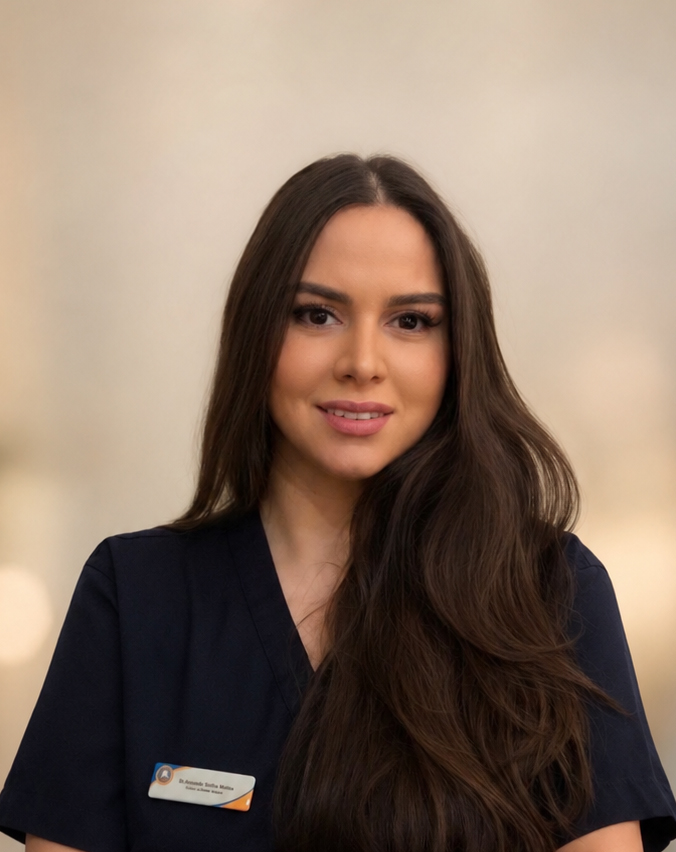
Book a complimentary, no-pressure consultation with our GDC-registered practitioner to find out whether this treatment is right for you.