Aesthetics & Safety
The Subtle Approach: How Medical Practitioners Avoid the 'Frozen' Look
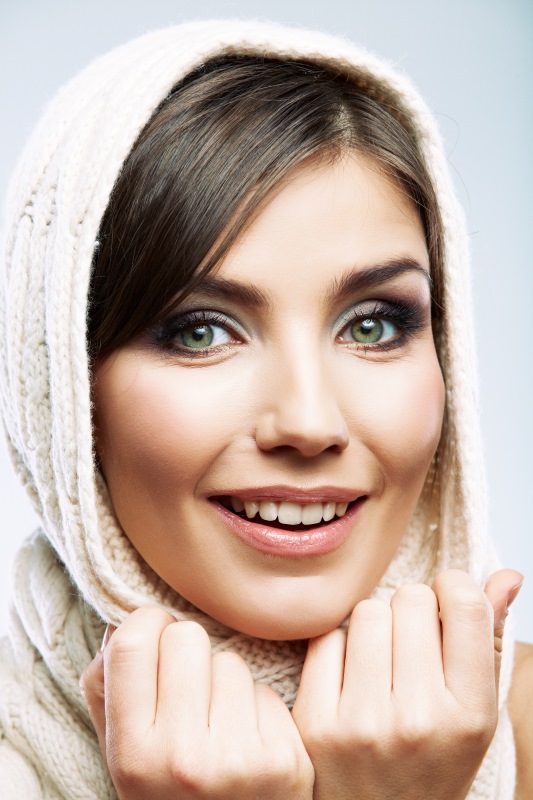
One of the most common concerns patients express when considering anti-wrinkle treatments is the fear of developing an unnatural, 'frozen' appearance. This apprehension often stems from observing overly obvious results that restrict facial expression and create an artificial look. Many individuals seeking to address visible signs of ageing find themselves researching natural-looking treatment approaches that maintain their ability to express emotions whilst reducing unwanted lines and wrinkles.
Understanding how qualified medical practitioners achieve subtle, natural-looking results has become increasingly important as aesthetic treatments have gained mainstream acceptance. The difference between natural enhancement and an overdone appearance lies in the practitioner's expertise, technique, and understanding of facial anatomy. This article explores the methods and considerations that experienced aesthetic professionals use to deliver natural-looking anti-wrinkle results whilst avoiding the frozen appearance many patients wish to prevent.
How Do Medical Practitioners Avoid Creating a Frozen Look?
Medical practitioners avoid the frozen look by using conservative dosing techniques, precise anatomical knowledge, and gradual treatment approaches that preserve natural facial movement whilst reducing unwanted wrinkles and lines effectively.
Understanding Anti-Wrinkle Treatment Techniques
The foundation of natural-looking anti-wrinkle treatments lies in understanding how facial muscles create expression and contribute to dynamic wrinkles. Experienced practitioners recognise that the goal is not to eliminate all muscle movement but rather to reduce excessive contractions that create unwanted lines whilst preserving the subtle movements necessary for natural expression.
Modern treatment approaches focus on selective muscle relaxation rather than complete paralysis. This technique involves identifying which specific muscle fibres contribute to wrinkle formation and targeting only those areas whilst leaving other muscle groups unaffected. The result is a reduction in dynamic wrinkles without compromising the patient's ability to show emotion or maintain natural facial expressions.
Practitioners also consider the individual's unique facial structure, muscle strength, and expression patterns when planning treatment. This personalised approach ensures that the treatment complements rather than conflicts with the patient's natural features and movements.
The Science Behind Muscle Relaxation and Natural Expression
Dynamic wrinkles form through repeated muscle contractions that cause the overlying skin to fold and crease over time. As we age, the skin's elasticity decreases due to reduced collagen and elastin production, making these creases more permanent. Anti-wrinkle treatments work by temporarily reducing the signal transmission between nerves and specific facial muscles, leading to controlled muscle relaxation.
The key to maintaining natural expression lies in understanding that different facial muscles contribute varying degrees of force to both wrinkle formation and emotional expression. For example, the muscles responsible for severe frown lines may be safely relaxed more significantly than those involved in subtle eyebrow movement or gentle smiling.
Experienced practitioners understand the concept of graded muscle response, where partial rather than complete muscle inhibition creates the desired aesthetic outcome. This approach allows for natural movement whilst reducing the excessive contractions that contribute to unwanted wrinkle formation.
Ready to look your best?
Book a free, no-obligation consultation with our medically led team in South Kensington.
Strategic Treatment Planning and Conservative Dosing
Achieving natural-looking results requires careful treatment planning that considers both immediate aesthetic goals and long-term facial harmony. Qualified practitioners typically employ a conservative approach, particularly for new patients, starting with lower doses and gradually adjusting treatment intensity based on individual response and desired outcomes.
The concept of "less is more" proves particularly relevant in aesthetic medicine. Initial treatments often use approximately 70-80% of the maximum recommended dose, allowing practitioners to assess how individual patients respond to treatment whilst maintaining the option to add additional units if necessary. This approach significantly reduces the risk of over-treatment and subsequent frozen appearance.
Treatment planning also involves considering the patient's lifestyle, profession, and personal preferences regarding facial expression. Some individuals may prefer slightly more movement preservation for professional reasons, whilst others may prioritise wrinkle reduction. These factors influence the practitioner's approach and dosing strategy.
Anatomical Precision and Injection Technique
The precision of injection placement plays a crucial role in achieving natural-looking results. Experienced practitioners possess detailed knowledge of facial anatomy, including muscle fibre direction, depth, and overlapping areas that could affect treatment outcomes. This knowledge allows for strategic placement that targets specific muscle groups whilst avoiding areas that could compromise natural expression.
Modern injection techniques also consider the concept of muscle vectors - understanding how different areas of the same muscle contribute to various expressions. By selectively treating certain muscle fibres whilst preserving others, practitioners can reduce unwanted lines whilst maintaining the subtle movements necessary for natural expression.
The depth of injection also influences treatment outcomes. Superficial injections may affect different muscle fibres than deeper placements, allowing practitioners to fine-tune results based on individual anatomy and desired outcomes. This precision requires extensive training and experience to execute safely and effectively.
Who May Benefit from Professional Consultation
Individuals noticing the early signs of dynamic wrinkles, such as crow's feet, frown lines, or forehead creases, may benefit from professional assessment to discuss natural-looking treatment options. Those who have previously experienced unsatisfactory results with aesthetic treatments might also find value in consulting with experienced practitioners who specialise in subtle, natural-looking outcomes.
People concerned about maintaining their natural expression whilst addressing visible signs of ageing often benefit from discussing realistic expectations and treatment approaches with qualified professionals. Additionally, individuals in public-facing professions who require natural facial mobility may find professional guidance helpful in understanding how treatments can be tailored to their specific needs.
Those considering preventative treatments to slow the development of deeper wrinkles may also benefit from professional consultation to understand appropriate timing and treatment strategies. A qualified practitioner can assess individual factors and provide personalised recommendations based on facial anatomy, lifestyle, and aesthetic goals.
Not sure which treatment is right for you?
Speak to our practitioners — we will assess your needs and recommend a tailored plan.
Benefits, Limitations and Realistic Expectations
Natural-looking anti-wrinkle treatments can effectively reduce the appearance of dynamic wrinkles whilst maintaining facial expression when performed by experienced practitioners. Benefits may include smoother skin texture, reduced wrinkle depth, and a refreshed appearance that preserves individual character and natural movement.
However, it's important to understand that results vary between individuals based on factors such as skin quality, muscle strength, lifestyle habits, and genetic factors. Some deeper, established wrinkles may require multiple treatment sessions or combination approaches to achieve optimal results. Additionally, anti-wrinkle treatments address dynamic wrinkles caused by muscle movement but may have limited effect on static wrinkles caused by sun damage or natural ageing.
Realistic expectations include gradual improvement over 7-14 days following treatment, with optimal results typically visible within two weeks. The effects are temporary, generally lasting 3-4 months, requiring ongoing treatments to maintain results. Some individuals may experience subtle changes in their expression patterns as they adjust to the treatment effects.
Long-term Treatment Considerations
Successful long-term outcomes with anti-wrinkle treatments often involve developing an ongoing relationship with a qualified practitioner who understands individual facial anatomy and aesthetic preferences. This continuity allows for consistent, natural-looking results and appropriate adjustments as facial structure and treatment goals may change over time.
Regular treatment intervals, typically every 3-4 months, help maintain consistent results whilst preventing the return of deep wrinkle formation. Some patients find that with consistent treatment, they may require slightly lower doses over time as muscles adapt to the regular relaxation periods.
Long-term treatment planning should also consider the natural ageing process and how treatment approaches may need to evolve. What works effectively for dynamic wrinkles in younger patients may need to be combined with other treatments as skin quality and volume changes occur with natural ageing.
Aftercare and Optimising Results
Following treatment guidelines provided by the practitioner helps ensure optimal results and reduces the risk of complications. Common aftercare recommendations include avoiding vigorous exercise for 24 hours, remaining upright for several hours post-treatment, and avoiding excessive facial massage or manipulation of the treated areas.
Patients are often advised to practice gentle facial expressions during the first few days following treatment to help distribute the product evenly whilst avoiding excessive muscle strain. This period allows individuals to become familiar with any changes in muscle function whilst the treatment takes full effect.
Sun protection and good skincare habits complement anti-wrinkle treatments by supporting overall skin health and potentially extending treatment longevity. Staying well-hydrated and maintaining a healthy lifestyle may also contribute to optimal treatment outcomes and skin quality.
Trusted, medically led care in London
Explore our full range of aesthetic treatments and transparent pricing.
Understanding Treatment Limitations
While modern anti-wrinkle treatments can achieve excellent natural-looking results, it's essential to understand their limitations. These treatments primarily address dynamic wrinkles caused by muscle movement and may have limited effect on static wrinkles, skin texture issues, or volume loss that occurs with natural ageing.
Some individuals may have stronger facial muscles or different anatomy that affects treatment response and longevity. Realistic expectations include understanding that perfect symmetry may not always be achievable due to natural facial asymmetries, and that subtle adjustments may be necessary to achieve optimal results.
Certain medical conditions, medications, or individual factors may affect treatment suitability or outcomes. This emphasises the importance of comprehensive consultation and medical assessment before beginning any aesthetic treatment programme.
Key Points to Remember
Natural-looking anti-wrinkle treatments rely on conservative dosing, anatomical precision, and experienced technique The goal is selective muscle relaxation rather than complete paralysis to preserve natural expression Individual assessment and personalised treatment planning are essential for optimal outcomes Results develop gradually over 7-14 days and typically last 3-4 months Realistic expectations and ongoing practitioner relationships support long-term success Treatment limitations should be understood alongside potential benefits
Frequently Asked Questions
How long does it take to see natural-looking results from anti-wrinkle treatments? Initial effects typically become noticeable within 3-5 days, with full results developing over 10-14 days. This gradual onset allows for natural adaptation to any changes in muscle function and helps ensure subtle, natural-looking outcomes that don't appear sudden or obvious.
Can anti-wrinkle treatments be reversed if the results appear too strong? While anti-wrinkle treatments cannot be directly reversed, their effects are temporary and will gradually diminish over 3-4 months. In rare cases where adjustment is needed, experienced practitioners may employ techniques to help accelerate the return of muscle function, though patience is typically the most effective approach.
How often should treatments be repeated to maintain natural-looking results? Most patients require treatments every 3-4 months to maintain consistent results. Regular treatment intervals help prevent the return of deep wrinkle formation whilst allowing practitioners to make subtle adjustments to maintain natural-looking outcomes as facial structure may change over time.
What factors influence how natural the treatment results appear? Results depend on practitioner experience, injection technique, dosing strategy, individual anatomy, muscle strength, and healing response. Choosing a qualified practitioner with extensive experience in natural-looking treatments significantly influences the likelihood of achieving satisfactory outcomes.
Are there certain areas of the face where maintaining natural expression is more challenging? Areas around the eyes and eyebrows require particular precision due to the complex interaction of multiple muscle groups involved in expression. The forehead and area between the eyebrows also require careful consideration of muscle vectors and individual anatomy to maintain natural movement patterns.
How do I know if a practitioner specialises in natural-looking results? Look for practitioners with appropriate medical qualifications, extensive aesthetic training, and before/after galleries demonstrating subtle, natural-looking outcomes. During consultation, they should discuss individual anatomy, realistic expectations, and demonstrate thorough understanding of facial muscle function and expression preservation.
Ready to look your best?
Book a free, no-obligation consultation with our medically led team in South Kensington.
Conclusion
Achieving natural-looking anti-wrinkle results requires a combination of practitioner expertise, conservative treatment approaches, and individualised planning that prioritises expression preservation alongside wrinkle reduction. The key to avoiding the frozen look lies in understanding facial anatomy, employing precise injection techniques, and maintaining realistic expectations about treatment outcomes.
Modern aesthetic medicine offers sophisticated approaches that can effectively address dynamic wrinkles whilst preserving the natural character and expression that make each individual unique. Success depends largely on choosing qualified practitioners who prioritise patient safety, natural-looking outcomes, and long-term satisfaction over immediate dramatic changes.
For individuals considering anti-wrinkle treatments, understanding these principles and seeking consultation with experienced professionals provides the foundation for informed decision-making and satisfactory outcomes. Treatment suitability, risks, and expected outcomes should always be assessed individually during a professional consultation.
Disclaimer: This article is intended for general educational purposes only and does not constitute personalised medical or aesthetic advice. Individual treatment recommendations, suitability assessments, and expected outcomes require consultation with a qualified healthcare professional.
Our clinicians also cover this in How to Prepare for Your First Aesthetic Treatment Consultation.
Written by Pantaleo Team
Medically led aesthetic clinic
Injectables
Interested in Anti-Wrinkle Injections (Botox)?
Book a complimentary, no-pressure consultation with our GDC-registered practitioner to find out whether this treatment is right for you.