PRP Hair Treatment
PRP Scalp Injections for Crown Thinning: Maximising Vertex Density
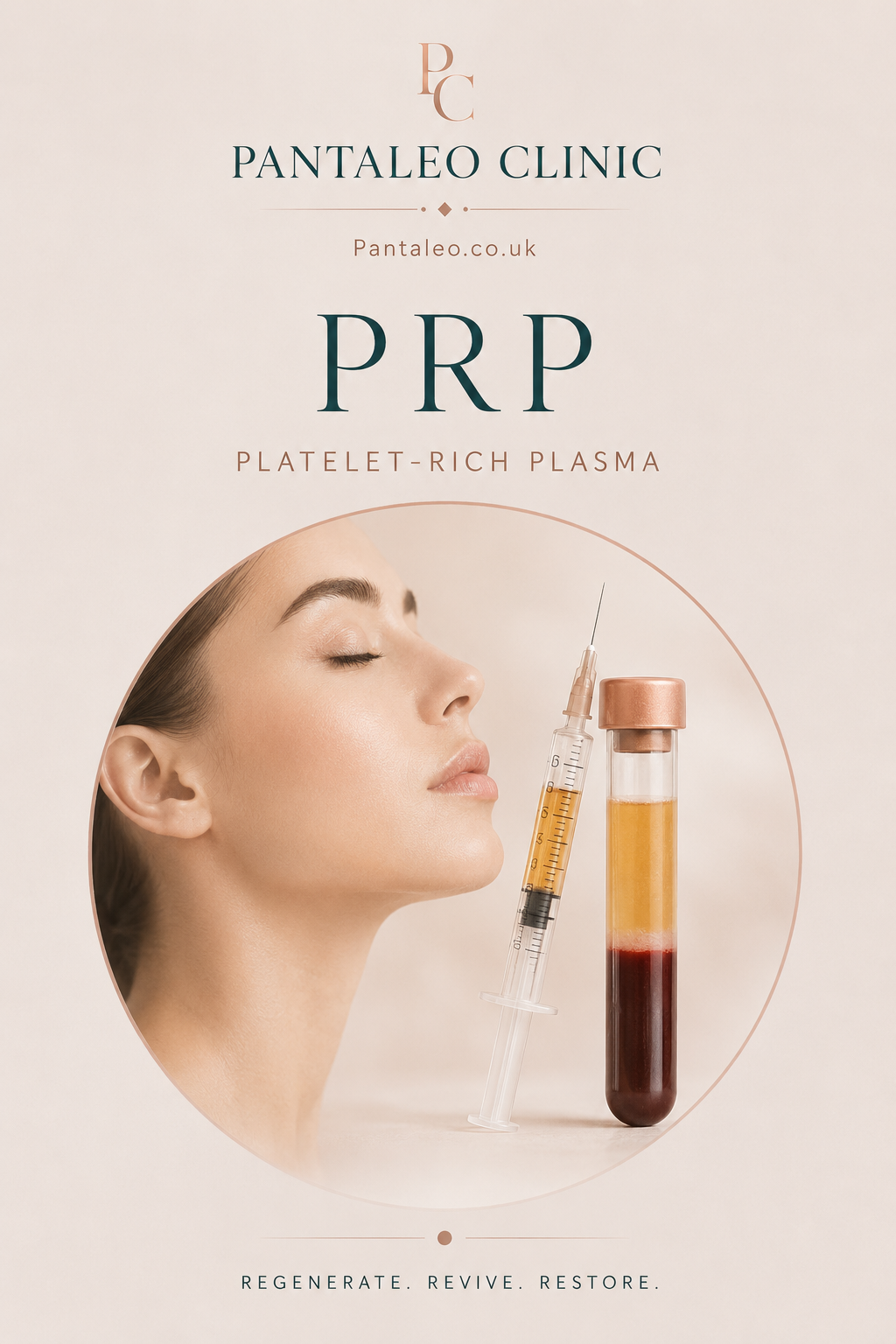
Crown thinning, particularly at the vertex (the topmost part of the scalp), represents one of the most common concerns for individuals experiencing hair loss. This area is often the first to show visible signs of reduced hair density, leading many to research effective treatment options. Platelet-Rich Plasma (PRP) scalp injections have emerged as a popular regenerative treatment approach for addressing crown thinning and supporting hair health.
The vertex area presents unique challenges due to its exposure and the typical pattern of hair loss in this region. Understanding how PRP therapy works, what realistic expectations involve, and who might benefit from professional assessment can help individuals make informed decisions about their hair restoration journey. This article explores the science behind PRP scalp treatments, their application for crown thinning, and important considerations including treatment limitations, aftercare requirements, and the importance of individualised professional evaluation for optimal outcomes.
What Are PRP Scalp Injections for Crown Thinning?
How do PRP scalp injections help with crown thinning?
PRP scalp injections involve using concentrated platelets from your own blood, which are injected into thinning areas to potentially stimulate hair follicle activity and support scalp health through natural growth factors.
Platelet-Rich Plasma therapy for crown thinning involves a multi-step process beginning with a small blood draw from the patient. The blood is then processed using a centrifuge to separate and concentrate the platelets, which contain numerous growth factors and proteins. These concentrated platelets are carefully injected into the scalp's vertex area using fine needles, targeting areas showing signs of thinning or reduced density.
The treatment aims to deliver a concentrated dose of naturally occurring growth factors directly to hair follicles in the crown region. PRP contains various bioactive proteins, including platelet-derived growth factor (PDGF), vascular endothelial growth factor (VEGF), and transforming growth factor (TGF), which may influence cellular regeneration processes.
The injection technique typically involves creating a grid pattern across the thinning area to ensure comprehensive coverage. Treatment sessions are usually spaced several weeks apart, with practitioners often recommending an initial series followed by maintenance sessions. The entire procedure typically takes 60-90 minutes, including blood processing time.
The Science Behind PRP and Hair Follicle Function
Understanding the biological mechanisms underlying hair growth helps explain how PRP therapy may influence crown thinning. Hair follicles undergo continuous cycles of growth (anagen), regression (catagen), and rest (telogen) phases. Various factors, including genetics, hormones, and age, can disrupt these cycles, leading to progressively shorter growth phases and miniaturisation of hair follicles.
The growth factors present in PRP may theoretically influence several aspects of hair follicle biology. PDGF may support cellular proliferation, whilst VEGF could enhance blood vessel formation around follicles. TGF-- plays complex roles in hair cycle regulation, and insulin-like growth factor (IGF-1) may influence follicle development.
Research suggests that PRP might help extend the anagen (growth) phase of hair cycles and potentially improve follicle health. The increased blood supply to treated areas may enhance nutrient delivery to hair follicles, whilst anti-inflammatory properties of certain growth factors could help address scalp inflammation that sometimes accompanies hair loss.
However, it's important to note that individual responses vary significantly, and the scientific evidence, whilst encouraging, continues to evolve as researchers better understand the complex interactions between growth factors and hair follicle biology.
Treatment Goals and Realistic Expectations
PRP scalp treatment for crown thinning typically aims to support existing hair health rather than dramatically restore hair to previous density levels. Realistic goals often include potentially slowing the progression of thinning, improving hair quality and thickness, and supporting scalp health. Some individuals may experience improved hair texture or reduced hair shedding, though individual results vary considerably.
The treatment is generally most suitable for individuals in early to moderate stages of crown thinning, where hair follicles remain active but may be producing progressively finer or shorter hairs. Areas with complete hair loss or long-standing baldness typically show limited response, as follicles in these regions may no longer be viable.
Setting appropriate expectations involves understanding that PRP is not a cure for genetic hair loss patterns, and results, when they occur, typically develop gradually over several months. Most practitioners emphasise that PRP works best as part of a comprehensive approach to hair health, potentially combined with other treatments or lifestyle modifications.
Factors influencing outcomes include the underlying cause of hair loss, the extent of thinning, overall health status, age, and individual biological responses to treatment. Some patients notice subtle improvements in hair quality or reduced shedding, whilst others may see minimal changes.
Ready to look your best?
Book a free, no-obligation consultation with our medically led team in South Kensington.
Who May Benefit from Professional Consultation
Professional assessment becomes particularly valuable for individuals noticing progressive crown thinning, changes in hair texture or growth patterns, or increased hair shedding. A qualified practitioner can evaluate the underlying causes of hair loss, assess follicle health, and determine whether PRP treatment aligns with individual circumstances and goals.
Consultation may be especially helpful for those experiencing early-stage thinning, as intervention during initial stages may offer better potential outcomes. Individuals with underlying medical conditions, those taking certain medications, or people with specific health considerations require professional evaluation to determine treatment suitability.
Professional assessment also helps identify cases where hair loss may result from treatable underlying conditions, such as nutritional deficiencies, hormonal imbalances, or scalp conditions. In such situations, addressing root causes may be more effective than symptomatic treatment alone.
A thorough consultation includes scalp examination, medical history review, discussion of treatment goals and expectations, and explanation of potential risks and limitations. This individualised approach ensures patients receive appropriate information to make informed decisions about their hair restoration journey.
Treatment Process and What to Expect
The PRP treatment process begins with a comprehensive consultation and assessment of the scalp condition. On treatment day, a small amount of blood (typically 20-60ml) is drawn, similar to routine blood tests. The blood is processed in a centrifuge for approximately 10-15 minutes to separate platelets from other blood components.
The concentrated platelet preparation is then loaded into syringes fitted with fine needles. The scalp is typically cleansed and may be numbed with topical anaesthetic to minimise discomfort. The PRP is carefully injected across the thinning areas using a systematic pattern to ensure thorough coverage.
Most patients describe the injection process as involving mild to moderate discomfort, often compared to a series of small pinpricks. The actual injection phase typically takes 15-30 minutes, depending on the treatment area size.
Immediately following treatment, patients may experience mild scalp tenderness, temporary redness, or slight swelling at injection sites. These effects usually resolve within 24-48 hours. Most individuals can resume normal activities immediately, though practitioners often provide specific aftercare instructions to optimise healing and potential results.
Treatment protocols vary, but commonly involve an initial series of 3-4 sessions spaced 4-6 weeks apart, followed by maintenance treatments every 6-12 months for those who respond positively to initial treatment.
Benefits, Limitations and Individual Variation
Potential benefits of PRP scalp treatment include its use of the patient's own biological material, reducing allergy risks, and its minimally invasive nature compared to surgical hair restoration options. Some individuals report improvements in hair texture, reduced shedding, or slower progression of thinning, though these outcomes are not guaranteed.
The treatment's limitations are equally important to understand. PRP cannot restore hair in areas of complete baldness or revive long-inactive follicles. Results vary significantly between individuals, and some people may experience minimal or no noticeable improvement. The treatment requires multiple sessions and ongoing maintenance, representing a considerable time and financial commitment.
Scientific evidence supporting PRP for hair loss continues to evolve, with studies showing mixed results and highlighting the need for standardised protocols. Individual factors such as age, genetics, hormonal status, and overall health significantly influence potential outcomes.
Response to treatment may also depend on the underlying cause of hair loss, with androgenetic alopecia (pattern hair loss) showing different response patterns compared to other forms of hair loss. Some individuals may experience temporary increased shedding in the weeks following treatment, which practitioners explain as potentially part of the hair cycle renewal process.
Not sure which treatment is right for you?
Speak to our practitioners — we will assess your needs and recommend a tailored plan.
Aftercare and Scalp Health Optimisation
Post-treatment care plays a crucial role in supporting potential treatment outcomes and maintaining scalp health. Practitioners typically recommend gentle scalp care in the days following PRP injections, including avoiding harsh chemicals, excessive heat styling, or aggressive brushing that might irritate treated areas.
Maintaining overall scalp health involves using mild, pH-balanced shampoos and avoiding products containing harsh sulphates or alcohol that can cause dryness or irritation. Some practitioners recommend specific scalp care products or supplements, though evidence for their effectiveness varies.
Sun protection for the scalp becomes particularly important, especially in the first week following treatment when the skin may be more sensitive. Wearing hats or using scalp-specific sun protection can help prevent irritation and support healing.
Lifestyle factors supporting hair health include maintaining a balanced diet rich in proteins, vitamins, and minerals essential for hair growth. Adequate hydration, stress management, and sufficient sleep also contribute to overall hair health. Some practitioners recommend avoiding smoking and excessive alcohol consumption, as these factors may negatively impact circulation and healing processes.
Regular follow-up appointments allow practitioners to monitor progress, assess treatment response, and adjust protocols as needed. This ongoing relationship helps ensure optimal care and allows for treatment modifications based on individual responses.
Key Points to Remember
PRP scalp injections use concentrated platelets from your own blood to potentially support hair follicle health in thinning crown areas Treatment aims to slow thinning progression and improve hair quality rather than dramatically restore hair density Results vary significantly between individuals and typically develop gradually over several months The treatment works best for early to moderate thinning where hair follicles remain active Multiple treatment sessions and ongoing maintenance are usually required Professional consultation helps determine suitability and set realistic expectations based on individual circumstances
Frequently Asked Questions
How long does it take to see results from PRP scalp injections?
Results, when they occur, typically develop gradually over 3-6 months following the initial treatment series. Some individuals may notice reduced hair shedding within the first few months, whilst improvements in hair texture or thickness usually require longer observation periods. Individual response timelines vary considerably, and some people may require additional treatment sessions before noticing changes. Practitioners often recommend completing the initial treatment series before evaluating effectiveness.
Is PRP treatment suitable for all types of hair loss?
PRP treatment is generally most suitable for androgenetic alopecia (pattern hair loss) in its early to moderate stages. It may be less effective for advanced hair loss, alopecia areata, or hair loss caused by medical conditions or medications. Individuals with certain blood disorders, active scalp infections, or those taking blood-thinning medications may not be suitable candidates. Professional assessment helps determine whether PRP aligns with specific hair loss patterns and individual health circumstances.
What are the potential side effects of PRP scalp injections?
Common side effects include temporary scalp tenderness, mild swelling, or redness at injection sites, typically resolving within 1-2 days. Some individuals experience temporary increased hair shedding in the weeks following treatment. Rare complications may include infection or allergic reactions to numbing agents. Since PRP uses the patient's own blood, allergic reactions to the plasma itself are extremely uncommon. Most side effects are mild and temporary when treatment is performed by qualified practitioners.
How often do I need PRP treatments for crown thinning?
Treatment protocols typically involve an initial series of 3-4 sessions spaced 4-6 weeks apart. Maintenance treatments are usually recommended every 6-12 months for individuals who respond positively to initial treatment. Some practitioners may adjust timing based on individual response patterns and treatment goals. The ongoing nature of pattern hair loss means that maintenance treatments are generally necessary to sustain any benefits achieved through the initial treatment series.
Can PRP be combined with other hair loss treatments?
PRP can often be combined with other hair loss treatments, including topical medications, oral treatments, or other aesthetic procedures, though this requires careful coordination by qualified practitioners. Some individuals use PRP alongside established hair loss medications or following hair transplant procedures to potentially support healing and results. Professional guidance ensures appropriate treatment combinations and timing, avoiding potential interactions or complications that might compromise effectiveness or safety.
How much does PRP treatment for crown thinning cost?
Treatment costs vary significantly depending on location, practitioner experience, and specific protocols used. The investment typically includes multiple treatment sessions plus ongoing maintenance treatments for those who respond positively. During consultation, practitioners provide detailed cost information including initial treatment series and anticipated maintenance requirements. Understanding the financial commitment helps individuals make informed decisions about pursuing PRP treatment as part of their hair restoration approach.
Trusted, medically led care in London
Explore our full range of aesthetic treatments and transparent pricing.
Conclusion
PRP scalp injections represent a regenerative approach to addressing crown thinning, offering a minimally invasive option for individuals seeking to support their hair health. Understanding the science behind platelet-rich plasma therapy, realistic expectations, and individual variation in treatment response helps patients make informed decisions about this treatment option.
The importance of professional assessment cannot be overstated, as qualified practitioners can evaluate individual suitability, explain potential benefits and limitations, and develop personalised treatment protocols. Whilst PRP shows promise for certain types of hair loss, particularly early to moderate androgenetic alopecia, results vary considerably between individuals.
Success with PRP treatment often requires patience, realistic expectations, and commitment to multiple treatment sessions and ongoing maintenance. The treatment works best as part of a comprehensive approach to hair health, potentially combined with appropriate skincare, lifestyle modifications, and other evidence-based interventions.
Treatment suitability, risks, and expected outcomes should always be assessed individually during a professional consultation.
Disclaimer: This article is intended for general educational purposes only and does not constitute personalised medical or aesthetic advice. Individual treatment recommendations, suitability assessments, and expected outcomes require consultation with a qualified healthcare professional.
Our clinicians also cover this in The Urban Restoration Protocol: Stacking Jalupro Amino Acids with PRP for Pollution-Stressed Skin.
Written by Pantaleo Team
Medically led aesthetic clinic
Rejuvenation
Interested in PRP Injections?
Book a complimentary, no-pressure consultation with our GDC-registered practitioner to find out whether this treatment is right for you.