PRP Hair Treatment
PRP Hair Treatment Side Effects: What to Expect Post-Procedure
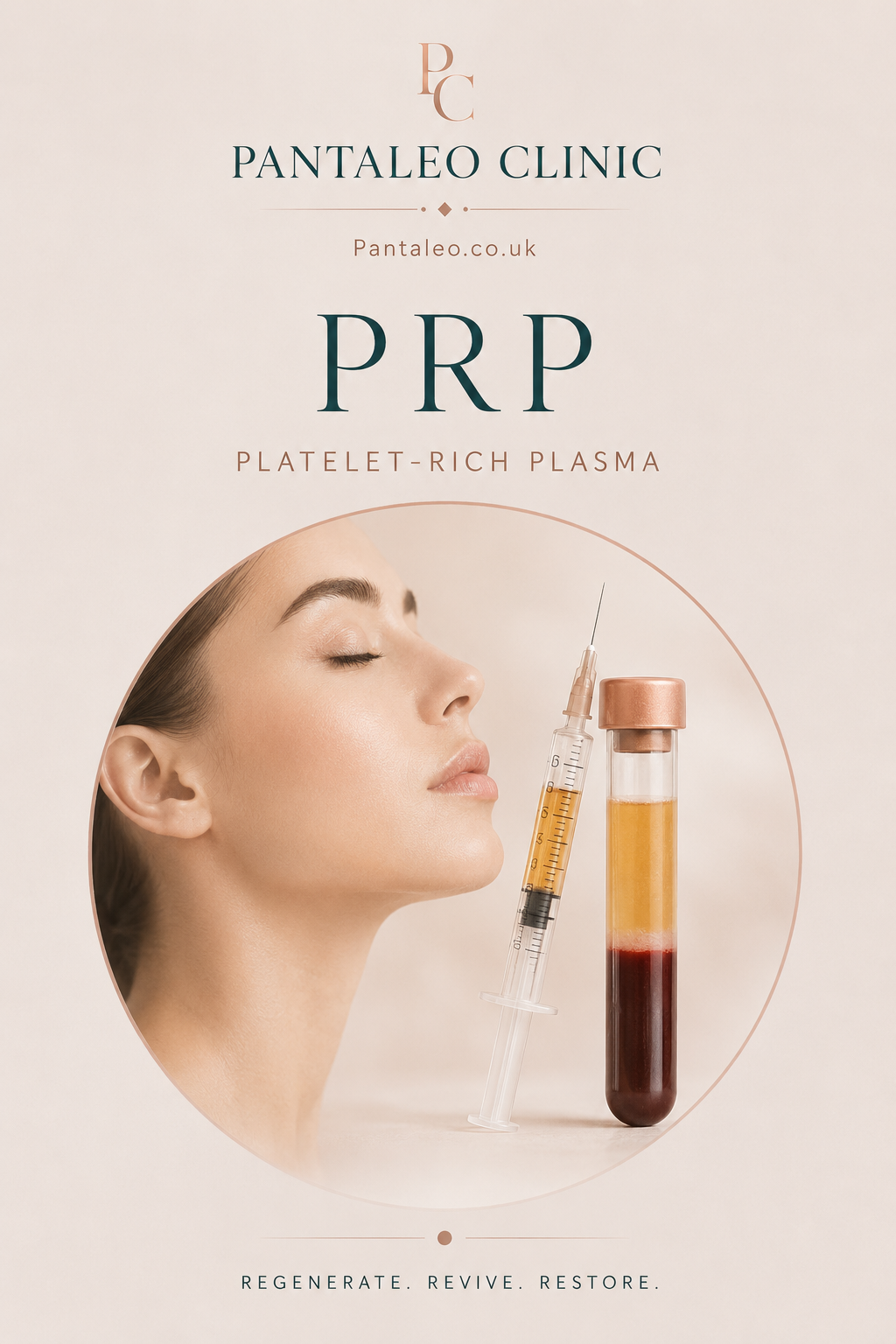
Many patients considering hair restoration treatments naturally have concerns about potential side effects and recovery experiences. Platelet-Rich Plasma (PRP) therapy has become an increasingly researched option for addressing hair thinning and pattern hair loss, yet understanding what to expect after treatment remains a common patient inquiry.
Hair loss affects millions of people, often impacting confidence and self-esteem. As patients explore various treatment approaches, they frequently seek detailed information about post-procedure experiences, potential side effects, and realistic recovery expectations. This comprehensive guide examines the typical side effects associated with PRP hair treatments, helping prospective patients make informed decisions about their hair restoration journey.
Understanding the potential post-procedure experience is crucial for setting appropriate expectations and ensuring optimal treatment outcomes. This article covers the science behind PRP therapy, common side effects, recovery timelines, and important aftercare considerations that may influence treatment success.
What Are the Common Side Effects of PRP Hair Treatment?
Most patients experience mild side effects following PRP hair treatment, including temporary scalp tenderness, minor swelling, and occasional bruising at injection sites, with symptoms typically resolving within 2-3 days.
Understanding PRP Hair Treatment
Platelet-Rich Plasma therapy involves extracting a small amount of the patient's own blood, processing it to concentrate the platelets, and then injecting this plasma into areas of hair thinning. The treatment aims to utilise the growth factors naturally present in platelets to potentially stimulate hair follicles and improve hair density.
The procedure typically takes 60-90 minutes and involves multiple small injections across the treatment area. As PRP uses the patient's own blood components, the risk of allergic reactions or rejection is significantly reduced compared to synthetic treatments. However, as with any injectable procedure, certain side effects may occur during the recovery period.
Understanding the treatment process helps patients prepare mentally and physically for their post-procedure experience. The minimally invasive nature of PRP therapy generally results in fewer side effects compared to surgical hair restoration methods.
The Science Behind PRP Therapy
Platelets contain numerous growth factors, including platelet-derived growth factor (PDGF), transforming growth factor-beta (TGF--), and vascular endothelial growth factor (VEGF). These naturally occurring proteins play essential roles in tissue repair and regeneration processes throughout the body.
When concentrated platelets are introduced to hair follicles, these growth factors may help improve blood circulation to the scalp, potentially extending the growth phase of hair cycles and supporting follicular health. The scientific theory suggests that PRP may help create a more favourable environment for hair growth by delivering concentrated nutrients directly to the treatment area.
However, individual responses to PRP therapy can vary significantly based on factors such as age, overall health, extent of hair loss, and underlying causes of thinning. The complex nature of hair growth cycles means that results, when they occur, typically develop gradually over several months rather than immediately after treatment.
Ready to look your best?
Book a free, no-obligation consultation with our medically led team in South Kensington.
Immediate Post-Procedure Effects
In the hours immediately following PRP treatment, patients commonly experience mild scalp tenderness similar to a sunburn sensation. This discomfort usually peaks within the first 24 hours and gradually subsides. The injection sites may appear slightly red or swollen, which represents a normal inflammatory response to the procedure.
Some patients notice small bumps or raised areas where injections were administered. These typically flatten within 24-48 hours as the injected plasma is absorbed into the surrounding tissue. Minor bleeding or scabbing at injection sites occasionally occurs but usually resolves quickly with proper aftercare.
Headaches may develop in some individuals, particularly those sensitive to medical procedures or needle-based treatments. These are typically mild and respond well to standard pain relief measures when appropriate and recommended by the treating practitioner.
Short-Term Recovery Experience
During the first week following treatment, most side effects continue to diminish. Any initial swelling typically resolves within 2-3 days, while scalp sensitivity may persist for up to a week. Patients often report that normal hair washing and styling becomes comfortable again within 2-4 days.
Bruising, when it occurs, usually appears within 24-48 hours of treatment and may last 5-7 days depending on individual healing factors. The extent of bruising varies considerably between patients, with some experiencing none at all while others may notice more pronounced discolouration.
It's important to note that hair shedding may temporarily increase in the weeks following treatment. This phenomenon, sometimes called "shock loss," can be concerning for patients but often represents part of the natural hair cycle renewal process rather than treatment failure.
Factors Affecting Side Effect Severity
Several factors can influence the type and severity of side effects experienced after PRP hair treatment. Individual pain tolerance varies significantly, affecting how patients perceive post-procedure discomfort. Those with sensitive skin or scalp conditions may experience more pronounced reactions.
The number of injection sites and treatment area size directly correlate with potential side effect severity. Larger treatment areas typically involve more injections, which may result in increased overall discomfort or swelling. The practitioner's injection technique and experience also play important roles in minimising side effects.
Certain medications, particularly blood thinners, may increase bruising risk. Patients taking such medications should discuss this with their practitioner during consultation to ensure appropriate precautions are taken.
Not sure which treatment is right for you?
Speak to our practitioners — we will assess your needs and recommend a tailored plan.
Who May Benefit from Professional Consultation
Individuals experiencing progressive hair thinning or pattern hair loss may benefit from professional assessment to determine treatment suitability. Those with family histories of hair loss, hormonal changes affecting hair growth, or concerns about hair density changes may find consultation valuable for exploring available options.
People who have noticed changes in hair texture, growth patterns, or overall scalp health may benefit from expert evaluation. Professional assessment can help identify underlying causes of hair concerns and determine whether PRP therapy or alternative treatments might be appropriate.
Consultation becomes particularly valuable when hair loss affects confidence or quality of life. A qualified practitioner can provide personalised advice based on individual circumstances, medical history, and realistic treatment goals.
Managing Post-Treatment Discomfort
Gentle scalp care forms the foundation of comfortable recovery following PRP treatment. Using lukewarm water for hair washing and avoiding vigorous scrubbing helps minimise irritation during the healing period. Many practitioners recommend waiting 24-48 hours before washing hair to allow injection sites to settle.
Sleeping with the head slightly elevated may help reduce any overnight swelling. Cold compresses applied gently to the scalp can provide relief from tenderness, though direct ice contact should be avoided to prevent tissue damage.
Avoiding strenuous exercise for 24-48 hours post-treatment may help minimise swelling and discomfort. Heat exposure from saunas, hot baths, or extensive sun exposure is typically discouraged during the initial recovery period.
Benefits, Limitations & Expectations
PRP hair treatment may offer benefits for individuals with certain types of hair loss, particularly androgenetic alopecia in its early to moderate stages. The treatment's use of the patient's own blood components reduces allergy risks, and the minimally invasive nature means recovery is typically straightforward.
However, important limitations exist. Results, when they occur, develop gradually over 3-6 months, and multiple treatment sessions are usually recommended. Not all patients respond to PRP therapy, and the extent of improvement varies significantly between individuals. Advanced hair loss may not respond as favourably as earlier-stage thinning.
Realistic expectations are crucial for treatment satisfaction. PRP therapy aims to support existing hair follicles and potentially improve hair density rather than creating dramatic transformations or restoring hair in completely bald areas.
Trusted, medically led care in London
Explore our full range of aesthetic treatments and transparent pricing.
Aftercare & Scalp Health Advice
Maintaining optimal scalp health supports recovery and potentially enhances treatment outcomes. Using gentle, sulphate-free shampoos helps avoid unnecessary irritation during the healing period. Avoiding harsh chemical treatments, including hair dyes or perming solutions, for several weeks post-treatment allows the scalp to recover fully.
Sun protection becomes particularly important as the scalp may be more sensitive following treatment. Wearing hats or using SPF products specifically designed for scalp application helps protect the treatment area.
Staying well-hydrated and maintaining a balanced diet rich in vitamins and minerals supports overall hair health. Some practitioners recommend specific nutritional supplements, though these should only be taken following professional advice and consideration of individual health factors.
Key Points to Remember
Most PRP hair treatment side effects are mild and temporary, typically resolving within 2-7 days Common experiences include scalp tenderness, minor swelling, and occasional bruising at injection sites Temporary hair shedding may occur as part of the natural hair cycle renewal process Individual recovery experiences vary based on factors including pain tolerance, treatment area size, and overall health Proper aftercare including gentle scalp care and sun protection supports comfortable recovery Results, when they occur, develop gradually over several months rather than immediately post-treatment
Frequently Asked Questions
How long do PRP hair treatment side effects typically last? Most side effects are short-lived, with scalp tenderness and swelling usually subsiding within 2-3 days. Any bruising that occurs typically resolves within a week. More sensitive individuals may experience mild discomfort for up to 7-10 days, but this represents the upper end of normal recovery expectations.
Is it normal to experience increased hair shedding after PRP treatment? Temporary increased hair shedding can occur in the weeks following treatment and often represents part of the natural hair cycle renewal process rather than treatment failure. This "shock loss" typically resolves as new growth cycles begin, though patients should discuss any concerns with their treating practitioner for personalised reassurance.
When can I return to normal hair care routines after PRP treatment? Most patients can resume gentle hair washing within 24-48 hours post-treatment. Normal styling routines typically become comfortable within 2-4 days, though avoiding harsh chemicals or aggressive styling for the first week supports optimal recovery. Your practitioner will provide specific aftercare guidelines based on your individual treatment.
Are there any serious side effects I should watch for? Serious side effects from PRP hair treatment are rare due to the use of the patient's own blood components. However, signs of infection such as increasing pain, significant swelling, or unusual discharge should prompt immediate professional consultation. Severe or worsening symptoms beyond normal recovery expectations warrant practitioner contact.
Can I take pain relief medication for post-treatment discomfort? Many practitioners can advise on appropriate pain relief options for post-treatment comfort, though recommendations vary based on individual health factors and current medications. Avoiding certain anti-inflammatory medications may be recommended immediately post-treatment to avoid interfering with the natural healing response.
How soon after treatment will I see results? Hair growth cycles mean that results, when they occur, typically become apparent 3-6 months post-treatment rather than immediately. Some patients notice initial improvements in hair texture or reduced shedding within 6-8 weeks, but significant changes in density usually require several months to develop and may necessitate multiple treatment sessions.
Ready to look your best?
Book a free, no-obligation consultation with our medically led team in South Kensington.
Conclusion
Understanding the potential side effects and recovery experience associated with PRP hair treatment helps patients make informed decisions about their hair restoration journey. While most individuals experience only mild, temporary side effects that resolve within days, individual experiences can vary based on numerous factors including overall health, treatment extent, and personal healing characteristics.
The minimally invasive nature of PRP therapy generally results in straightforward recovery compared to surgical alternatives, with most patients able to return to normal activities within 24-48 hours. However, realistic expectations about both side effects and treatment outcomes remain essential for overall satisfaction.
Professional consultation provides the opportunity to discuss individual suitability, potential risks, and expected recovery experiences based on personal circumstances. Treatment suitability, risks, and expected outcomes should always be assessed individually during a professional consultation.
Disclaimer: This article is intended for general educational purposes only and does not constitute personalised medical or aesthetic advice. Individual treatment recommendations, suitability assessments, and expected outcomes require consultation with a qualified healthcare professional.
To explore this further, see PRP for Hair Loss Cost UK: A Complete Breakdown of Treatment Plans.
Written by Pantaleo Team
Medically led aesthetic clinic
Rejuvenation
Interested in PRP Injections?
Book a complimentary, no-pressure consultation with our GDC-registered practitioner to find out whether this treatment is right for you.