PRP Hair Treatment
PRP for Thinning Hair in Women: Causes and Targeted Solutions
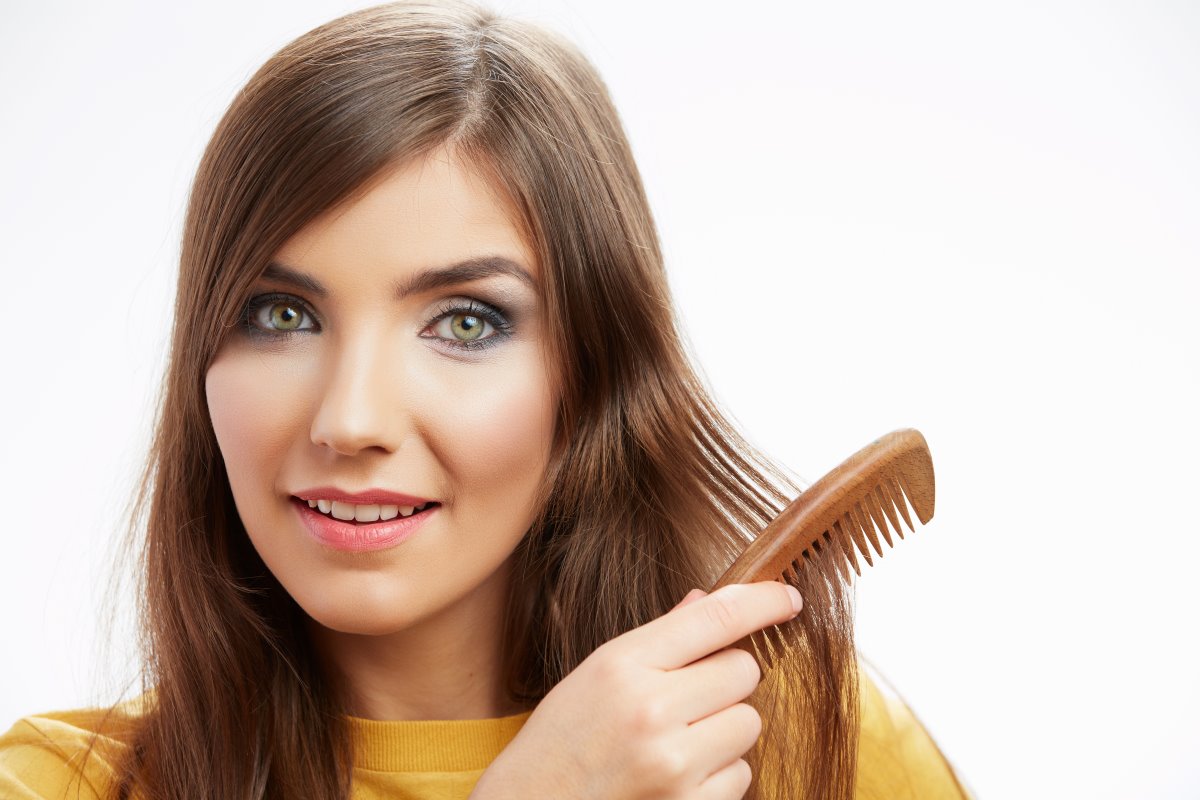
Hair thinning affects a significant number of women at various stages of life, yet it remains a topic many feel uncertain about discussing openly. Whether it begins gradually - perhaps noticed through a wider parting or increased shedding - or more suddenly following a period of stress or hormonal change, the experience can be distressing and confusing in equal measure.
Introduction
Hair thinning affects a significant number of women at various stages of life, yet it remains a topic many feel uncertain about discussing openly. Whether it begins gradually - perhaps noticed through a wider parting or increased shedding - or more suddenly following a period of stress or hormonal change, the experience can be distressing and confusing in equal measure.
Many women turn to online research to understand what is happening and whether effective options exist. The volume of information available, however, can feel overwhelming, and separating evidence-informed approaches from unsubstantiated claims is not always straightforward.
This article explores the common causes of hair thinning in women, explains what Platelet-Rich Plasma (PRP) therapy involves, and discusses how it may support scalp health and hair density. It also outlines realistic expectations, potential limitations, and when speaking with a qualified practitioner could be a helpful next step.
You can also review the core PRP injection treatment pathway to understand how clinics structure treatment plans.
Understanding the subject thoroughly before attending a consultation allows patients to ask informed questions and make considered decisions about their care.
What Is PRP for Thinning Hair in Women?
PRP (Platelet-Rich Plasma) for thinning hair in women is a medical procedure that uses growth factors derived from the patient's own blood to stimulate the scalp environment and support hair follicle activity. By concentrating platelets and injecting them into targeted scalp areas, PRP may help improve hair density and quality. Results vary between individuals and are not guaranteed.
Understanding Hair Thinning in Women: Common Causes
Hair thinning in women is rarely caused by a single factor. More often, it reflects a combination of genetic predisposition, hormonal fluctuations, nutritional status, and lifestyle influences. Understanding the likely cause is an important first step before exploring any treatment pathway.
Androgenetic alopecia (female-pattern hair loss) is the most common form, characterised by diffuse thinning across the crown and top of the scalp rather than a receding hairline. It can begin at any age, though it becomes more prevalent after the menopause.
Telogen effluvium is a temporary form of increased shedding, often triggered by significant physical or emotional stress, illness, nutritional deficiency, or hormonal changes such as those following childbirth or thyroid dysfunction. In many cases this resolves once the underlying trigger is addressed.
Alopecia areata presents differently as patchy hair loss and is thought to involve an autoimmune component. This requires specialist assessment and is managed differently from other forms of hair loss.
Other contributing factors include:
Iron deficiency or anaemia Vitamin D or B12 insufficiency Polycystic ovary syndrome (PCOS) Crash dieting or sudden weight loss Certain medications Excessive heat styling or tension on the hair
Because causes are varied, a thorough consultation - ideally including relevant blood tests - is important before any targeted treatment is considered.
Ready to look your best?
Book a free, no-obligation consultation with our medically led team in South Kensington.
What Is PRP Therapy and How Does It Work?
Platelet-Rich Plasma therapy is a procedure that uses the patient's own blood to derive a concentrated solution of platelets, growth factors, and other bioactive proteins. It was originally developed in wound healing and orthopaedic medicine and has since been explored in aesthetic and hair restoration contexts.
The procedure involves three key stages:
Blood draw - A small volume of blood is taken from the patient, typically from the arm. Centrifugation - The blood sample is placed in a centrifuge, which spins at high speed to separate the plasma layer rich in platelets from the red blood cells and other components. Injection - The concentrated platelet-rich plasma is injected into targeted areas of the scalp using fine needles, focusing on regions where hair thinning is most apparent.
The growth factors contained within the platelets - including platelet-derived growth factor (PDGF), vascular endothelial growth factor (VEGF), and transforming growth factor (TGF) - are thought to promote cellular repair, stimulate tissue remodelling, and support the environment around hair follicles.
Importantly, because PRP uses the patient's own blood, the risk of allergic reaction is low. However, as with any injectable procedure, there are risks, and suitability must be assessed individually by a qualified practitioner.
The Science Behind PRP and Hair Follicle Biology
To appreciate why PRP is being studied in the context of hair thinning, it helps to understand the basic biology of hair growth.
Hair follicles undergo a continuous cycle with three main phases:
Anagen - the active growth phase, which can last several years Catagen - a brief transitional phase Telogen - the resting phase, after which the hair sheds and the cycle recommences
In conditions such as androgenetic alopecia, this cycle becomes disrupted. Follicles spend less time in the anagen phase, produce progressively finer and shorter hairs, and may eventually become dormant. The miniaturisation of follicles is thought to be influenced by sensitivity to dihydrotestosterone (DHT), a hormone derived from testosterone that is present in both men and women.
The growth factors found in concentrated platelet-rich plasma are understood to interact with dermal papilla cells - specialised cells at the base of each follicle that are critical to the hair growth cycle. Research suggests that these growth factors may extend the anagen phase, promote follicular cell proliferation, and improve the vascular supply to the scalp, which supports follicle nourishment.
It is important to note that this is an area of active clinical research. While a number of studies report positive findings, the evidence base continues to develop, and outcomes are variable between individuals.
Who May Benefit From PRP for Hair Thinning?
PRP for thinning hair may be appropriate for some women, though suitability is always determined through individual assessment. It is not a universal solution, and professional evaluation is essential before proceeding.
Women who may be considered suitable candidates include those with:
Early to moderate androgenetic alopecia (female-pattern hair loss) Telogen effluvium that has not resolved fully despite addressing the underlying trigger A desire to improve overall scalp health and hair density Realistic expectations about the nature of results and the time required to observe them No contraindications to the procedure
PRP is generally not considered appropriate for:
Advanced or complete follicular loss (where follicles are no longer active) Active scalp infections or inflammatory skin conditions Blood clotting disorders or those on anticoagulant therapy Certain autoimmune conditions Those who are pregnant or breastfeeding Individuals with a history of platelet dysfunction
A thorough consultation, including a review of medical history and potentially blood tests, is necessary to establish whether PRP may be a suitable and safe option for any individual patient.
For a focused eligibility discussion, see Who May Be Suitable for PRP Hair Therapy?.
Not sure which treatment is right for you?
Speak to our practitioners — we will assess your needs and recommend a tailored plan.
What to Expect From a PRP Hair Treatment Session
Understanding what a PRP treatment session involves can help patients feel more prepared and at ease.
Before the procedure: A consultation will typically involve a detailed discussion of hair loss history, contributing factors, medical history, and treatment goals. Photographs may be taken to monitor progress over time.
During the procedure: A small blood sample is taken from the arm. While the centrifuge processes the sample, the scalp may be cleansed and, in many cases, a topical anaesthetic applied to improve comfort. The PRP solution is then injected across the scalp using a series of small injections. The procedure typically takes between 45 and 90 minutes in total.
Immediately after: Some patients experience mild redness, tenderness, or swelling at the injection sites. This is generally temporary and typically resolves within 24 to 48 hours. Most people are able to return to their usual activities the same day or the following day.
Follow-up: PRP for hair loss is usually delivered as a course of treatments rather than a single session. A common initial protocol involves three sessions spaced four to six weeks apart, followed by maintenance sessions every three to six months. Practitioners may tailor this schedule based on individual response and assessment.
Realistic Expectations and Potential Benefits
One of the most important aspects of any hair loss treatment is approaching it with a clear and realistic understanding of what it may - and may not - achieve.
Potential benefits observed in some patients include:
Improved hair density and thickness Reduced daily shedding over time Improved scalp condition and follicle environment Some regrowth in areas of thinning
Important considerations:
Results are gradual. Noticeable changes typically take several months to become apparent, as the hair growth cycle itself is slow. PRP does not reverse advanced or complete follicular loss. Not all patients respond equally. Individual variation in platelet concentration, follicle health, and underlying cause all influence outcomes. PRP works most effectively when the contributing causes of hair loss are also being addressed - for example, correcting nutritional deficiencies or managing hormonal imbalances identified through blood testing. Maintenance sessions are generally required to sustain any improvement achieved.
As with all aesthetic and medical treatments, outcomes cannot be guaranteed, and expectations should be discussed openly with a qualified practitioner during consultation.
PRP in Combination With Other Approaches
PRP therapy is not always used in isolation. Depending on the individual's circumstances, a practitioner may discuss whether a combined approach could be relevant.
For women who are also exploring skin quality and facial rejuvenation, there may be broader treatment considerations to discuss. For instance, Jalupro biorevitalisation treatment works through amino acid supplementation to support tissue regeneration and is used in both skin and, in some protocols, scalp contexts.
Similarly, regenerative skin-quality approaches are increasingly discussed in the context of tissue repair; The Science of Fibroblast Stimulation provides useful background on this biology. These pathways are distinct from PRP but share a philosophy of supporting cellular health rather than simply masking symptoms.
Combining treatments should always be guided by a qualified practitioner based on individual assessment. No combined approach should be assumed appropriate without proper evaluation.
Trusted, medically led care in London
Explore our full range of aesthetic treatments and transparent pricing.
Who May Benefit From a Professional Consultation?
Seeking professional advice about hair thinning is a sensible step for any woman who has noticed a change in hair density, volume, or quality - particularly if the change has persisted for more than a few months or is causing noticeable distress.
A professional consultation offers several benefits:
Accurate assessment of the type and likely cause of hair loss, which directly influences which treatment pathways - if any - are appropriate Blood testing referral where nutritional or hormonal factors are suspected Personalised treatment planning that accounts for individual health history, lifestyle, and expectations Honest discussion of what is and is not achievable, and the realistic timeline for any improvement Ongoing monitoring of progress and adjustment of approach as needed
It is worth noting that hair loss in women is sometimes a sign of an underlying health condition such as thyroid dysfunction, iron deficiency anaemia, or hormonal imbalance. A professional can help identify when onward referral to a GP or specialist is the most appropriate course of action.
Seeking advice does not commit anyone to a particular treatment. An initial consultation is simply an opportunity to gather accurate information and discuss options calmly with a qualified professional.
Aftercare and Scalp Health Guidance
Whether undergoing PRP or supporting hair health through general measures, aftercare and scalp maintenance play an important role.
Following a PRP treatment session:
Avoid washing the hair for at least 24 hours following treatment Avoid vigorous scalp massage or manipulation in the immediate post-treatment period Refrain from heat styling tools for 24-48 hours Avoid saunas, steam rooms, and strenuous exercise for 24 hours post-treatment Follow any specific aftercare guidance provided by your practitioner
General scalp and hair health habits:
Maintain a balanced, nutrient-rich diet including iron, protein, biotin, and vitamin D Stay well hydrated Minimise excessive heat styling, tight hairstyles, or chemical treatments where possible Manage stress through sustainable lifestyle habits, as chronic stress can contribute to telogen effluvium Protect the scalp from UV exposure, particularly in summer months Use gentle, sulphate-free shampoos appropriate for your scalp type if recommended
Good scalp health forms the foundation for any targeted treatment to work within, and general wellbeing has a genuine bearing on hair growth cycles.
Benefits, Limitations, and Setting Realistic Expectations
| Aspect | Detail | |---|---| | Potential benefit | May improve hair density, reduce shedding, and support follicle health in suitable candidates | | Treatment type | Minimally invasive; uses patient's own blood | | Evidence base | Growing but still evolving; multiple positive studies exist though research continues | | Who it may suit | Women with early to moderate hair thinning and active follicles | | Who it may not suit | Advanced follicular loss, certain medical conditions, contraindications | | Typical course | Initial course of 3 sessions followed by maintenance | | Timeline for results | Gradual; months rather than weeks | | Guarantee of outcome | Not possible; individual variation applies | | Combination potential | May be discussed alongside other approaches depending on individual assessment |
Honest, balanced discussion of these points during consultation helps patients make genuinely informed decisions that align with their circumstances and goals.
Ready to look your best?
Book a free, no-obligation consultation with our medically led team in South Kensington.
Key Points to Remember
PRP for thinning hair uses the patient's own blood to derive growth factors that may support the scalp environment and hair follicle activity. Hair thinning in women has multiple causes, including genetics, hormones, nutrition, and stress; identifying the cause is important before considering treatment. PRP is most effective in the early to moderate stages of hair thinning where follicles remain active; it is unlikely to restore hair where follicles are no longer functioning. Results are gradual and individual; changes typically become apparent over several months, and maintenance sessions are generally required. A thorough professional consultation - including review of medical history and potentially blood tests - is essential to establish suitability and safety. Supporting overall health through good nutrition, stress management, and scalp care contributes meaningfully to hair health alongside any targeted treatment.
Frequently Asked Questions
How many PRP sessions are typically needed for hair thinning in women?
Most protocols for PRP hair treatment involve an initial course of three sessions, typically spaced four to six weeks apart. Following this, maintenance sessions are usually recommended every three to six months, depending on the individual's response and ongoing needs. The exact number and frequency of sessions will be determined by a qualified practitioner based on your assessment. It is important to understand that PRP for hair loss is generally an ongoing commitment rather than a one-time procedure, and the maintenance schedule will be personalised to your circumstances.
How long does it take to see results from PRP hair treatment?
Because PRP works by supporting the hair growth cycle - which is inherently slow - visible results are gradual. Most patients who do respond positively begin to notice reduced shedding within the first few months, with improvements in density and thickness becoming more apparent between three and six months after commencing treatment. It is important to approach PRP with patience and realistic expectations. Results vary between individuals, and not everyone responds in the same way. Monitoring progress through photographs taken at each visit can help track changes over time.
Is PRP for hair loss painful?
Most patients describe the procedure as manageable rather than significantly painful, though comfort levels vary between individuals. A topical anaesthetic is typically applied to the scalp prior to injection, which helps reduce discomfort. During the injections, a mild stinging or pressure sensation may be felt. After the procedure, some tenderness or a tight feeling in the scalp is common for a day or two. If you have particular concerns about comfort, this is worth discussing with your practitioner before proceeding, as they can advise on the measures available.
Are there any risks or side effects associated with PRP for hair thinning?
PRP is generally considered a low-risk procedure, particularly because it uses the patient's own blood, which significantly reduces the likelihood of allergic reaction. However, as with any injectable treatment, there are potential side effects. These include temporary redness, swelling, tenderness, or bruising at the injection sites. Infection is a rare but possible risk where sterile technique is not maintained. Temporary headache has also been reported. Your practitioner should discuss all potential risks and contraindications with you during your consultation, and any concerns should be raised before treatment proceeds.
Can PRP be used alongside other hair loss treatments?
In some cases, PRP may be considered as part of a broader treatment plan that includes addressing underlying nutritional deficiencies, hormonal factors, or other contributing causes. Some practitioners may also discuss PRP alongside topical treatments or other supportive approaches. Whether combination treatment is appropriate depends entirely on individual assessment. No combination approach should be assumed suitable without proper evaluation. It is important to disclose all current treatments, supplements, and medications to your practitioner so that a safe and appropriate plan can be developed.
Is PRP for hair thinning suitable for all women?
PRP is not suitable for everyone. Contraindications include certain blood disorders, active scalp infections, some autoimmune conditions, anticoagulant therapy, and pregnancy or breastfeeding, among others. Suitability also depends on the type and stage of hair loss; PRP is generally considered most appropriate for early to moderate hair thinning where follicles remain active rather than in cases of advanced or complete follicular loss. A thorough consultation with a qualified practitioner, including a review of your medical history, is essential to determine whether PRP is a safe and appropriate option for you specifically.
Conclusion
Hair thinning in women is a genuinely complex subject, shaped by a range of biological, hormonal, and lifestyle factors. Understanding the cause of your own hair loss is the essential first step before exploring any treatment option, including PRP therapy.
Platelet-Rich Plasma treatment represents an evidence-informed approach that may offer meaningful support for suitable candidates - particularly those in the earlier stages of hair thinning where follicles remain active. However, it is not a universal solution, results are gradual and variable, and maintenance is typically required to sustain any improvement.
For women considering PRP or exploring other approaches to hair health, a professional consultation at Pantaleo Clinic provides the opportunity for an individual assessment, honest discussion of realistic options, and a personalised plan developed around your specific circumstances.
Taking time to gather accurate information, ask informed questions, and consult a qualified practitioner is the most considered path forward for anyone navigating hair thinning concerns.
Treatment suitability, risks, and expected outcomes should always be assessed individually during a professional consultation.
Written by Pantaleo Team
Medically led aesthetic clinic
Rejuvenation
Interested in PRP Injections?
Book a complimentary, no-pressure consultation with our GDC-registered practitioner to find out whether this treatment is right for you.