PRP Hair Treatment
Is PRP Hair Treatment Permanent? What the Clinical Data Shows
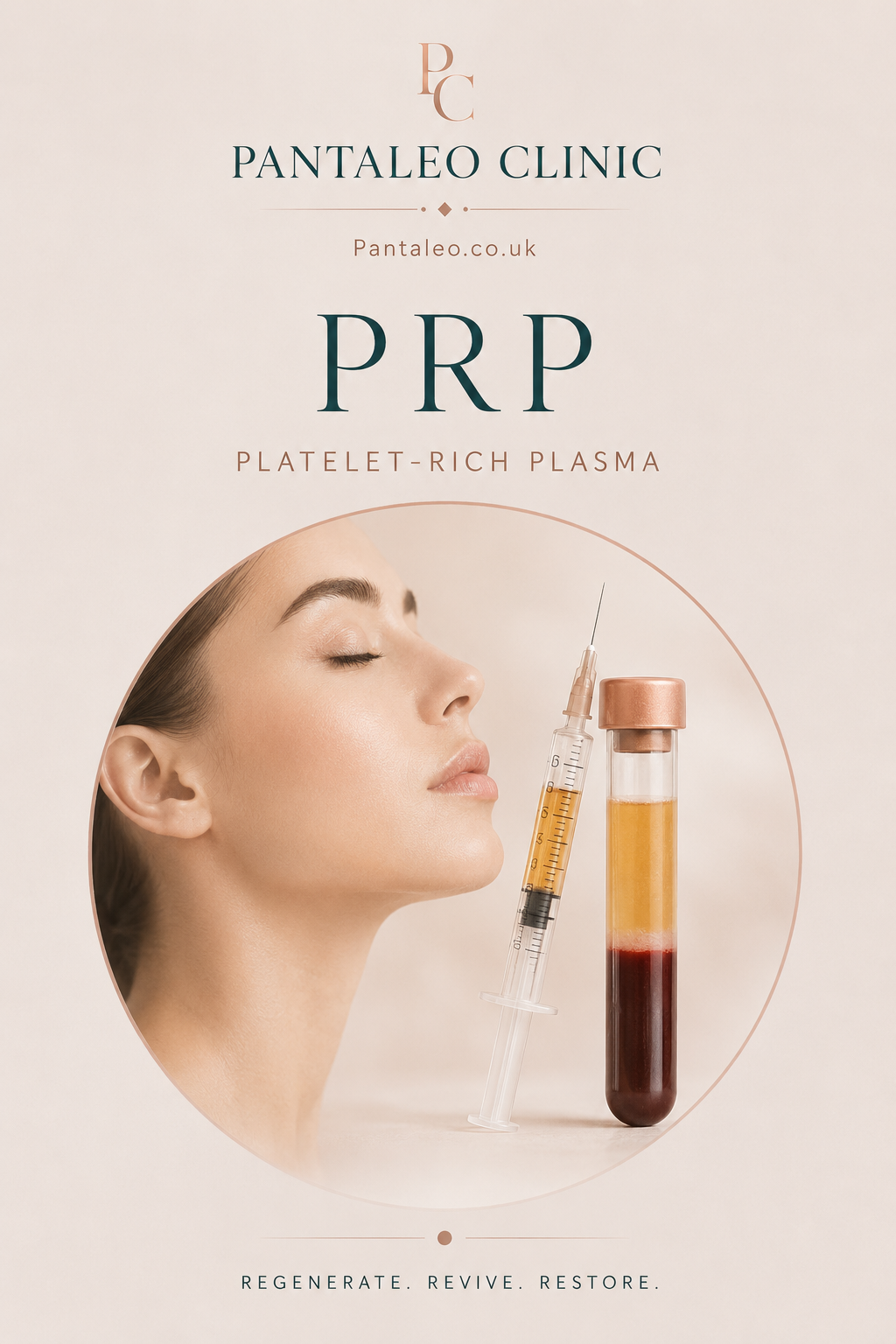
Hair thinning and pattern baldness affect millions of people across the UK, prompting many to research regenerative treatment options like Platelet-Rich Plasma (PRP) therapy. One of the most common questions patients ask when considering PRP hair treatment concerns the longevity of results and whether this innovative approach offers permanent hair restoration.
Understanding the realistic expectations and clinical evidence surrounding PRP hair treatment is crucial for making informed decisions about hair restoration options. Many patients are drawn to PRP therapy because it uses the body's own healing mechanisms to potentially stimulate hair growth, but questions about treatment permanency naturally arise during the research process.
This article examines the clinical data surrounding PRP hair treatment duration, explores how the therapy works at a cellular level, and discusses the factors that influence treatment outcomes. We'll also address realistic expectations, maintenance requirements, and when professional assessment may be beneficial for those experiencing hair loss concerns.
Is PRP Hair Treatment Permanent?
Is PRP hair treatment a permanent solution for hair loss?
PRP hair treatment is not permanent and typically requires maintenance sessions to sustain results. Clinical studies show that whilst PRP can stimulate hair growth and improve hair density, the underlying causes of hair loss continue to progress, necessitating ongoing treatment protocols to maintain benefits.
Understanding PRP Hair Treatment
Platelet-Rich Plasma therapy for hair restoration involves using concentrated platelets from the patient's own blood to potentially stimulate hair follicle activity. The treatment process begins with a blood draw, followed by centrifugation to separate and concentrate the platelet-rich plasma, which is then injected into areas of the scalp experiencing hair loss.
The concentrated platelets contain numerous growth factors, including platelet-derived growth factor (PDGF), transforming growth factor (TGF), and vascular endothelial growth factor (VEGF). These naturally occurring proteins are believed to play important roles in cellular regeneration and tissue repair processes.
Clinical research has investigated PRP's potential to improve hair density, thickness, and growth in patients with androgenetic alopecia (pattern hair loss). However, individual responses to treatment can vary significantly based on factors such as the extent of hair loss, age, overall health, and the specific PRP preparation protocol used.
The Science Behind Hair Follicle Regeneration
Hair follicles operate in cyclical phases: anagen (growth), catagen (transitional), and telogen (resting). In androgenetic alopecia, follicles gradually miniaturise due to hormonal influences, particularly dihydrotestosterone (DHT), leading to progressively shorter growth phases and finer hair production.
PRP therapy aims to influence this process by delivering concentrated growth factors directly to the follicular environment. These growth factors may help extend the anagen phase, improve follicle health, and potentially reverse some aspects of miniaturisation. The treatment may also enhance blood circulation to the scalp, providing better nutrient delivery to existing follicles.
However, it's important to understand that PRP does not address the underlying hormonal factors that contribute to pattern hair loss. While the therapy may improve follicle function and hair growth temporarily, the progressive nature of androgenetic alopecia typically continues, which explains why maintenance treatments are generally necessary.
Ready to look your best?
Book a free, no-obligation consultation with our medically led team in South Kensington.
Clinical Evidence on Treatment Duration
Research studies examining PRP hair treatment have shown varying results regarding treatment duration and maintenance requirements. Most clinical trials have followed patients for 6-12 months, with some studies extending to 24 months. The available evidence suggests that initial improvements may be observed after 3-6 months of treatment, with peak results typically occurring between 6-12 months.
A systematic review of PRP studies for androgenetic alopecia found that while many patients experienced improvements in hair density and thickness, maintenance treatments were generally required to sustain these benefits. The frequency of maintenance sessions varied across studies, with most protocols recommending treatments every 3-6 months following the initial treatment series.
Long-term follow-up data remains limited, as PRP for hair loss is a relatively recent treatment approach. However, the available evidence suggests that discontinuing treatment often leads to a gradual return to the pre-treatment baseline, supporting the need for ongoing maintenance protocols.
It's worth noting that individual responses to PRP therapy can vary considerably, with some patients experiencing more sustained improvements than others, whilst some may see minimal or temporary benefits.
Factors Affecting Treatment Longevity
Several factors can influence the duration and effectiveness of PRP hair treatment results. The stage and severity of hair loss at the time of treatment initiation plays a significant role, with earlier intervention potentially yielding more sustained results than treatment in advanced stages of hair loss.
Age and overall health status can also impact treatment outcomes, as younger patients with good circulation and robust healing responses may experience more pronounced and longer-lasting benefits. The quality and concentration of the PRP preparation itself varies between different protocols and processing systems, which may affect treatment efficacy.
Lifestyle factors such as stress levels, nutrition, sleep quality, and smoking status can influence hair follicle health and may impact treatment outcomes. Additionally, concurrent use of other hair loss treatments, such as anti-hair loss medications or topical therapies, may complement PRP therapy and potentially extend treatment benefits.
The specific injection technique, depth of treatment, and number of sessions in the initial protocol can also affect results. Most practitioners recommend an initial series of 3-4 treatments spaced 4-6 weeks apart, followed by maintenance sessions as needed.
Who May Benefit from Professional Hair Loss Assessment
Individuals experiencing noticeable hair thinning, receding hairlines, or pattern baldness may benefit from professional assessment to determine appropriate treatment options. Early intervention is often more effective than waiting until significant hair loss has occurred, as viable hair follicles are necessary for most treatment approaches to be effective.
Those with a family history of hair loss who are concerned about early signs of thinning may find it helpful to understand their options and develop a proactive approach to hair health. Additionally, individuals who have tried topical treatments without satisfactory results may wish to explore regenerative options like PRP therapy.
Women experiencing diffuse hair thinning, particularly after hormonal changes such as menopause or pregnancy, may also benefit from professional evaluation. Hair loss in women can have different underlying causes than male pattern baldness, requiring tailored treatment approaches.
A qualified practitioner can assess hair loss patterns, discuss realistic expectations, and help determine whether PRP therapy or other treatment options may be suitable based on individual circumstances.
Not sure which treatment is right for you?
Speak to our practitioners — we will assess your needs and recommend a tailored plan.
Treatment Expectations and Realistic Outcomes
PRP hair treatment should be viewed as a potential tool for improving hair density and quality rather than a complete reversal of hair loss or a permanent cure. Clinical studies typically report improvements in hair count, thickness, and overall scalp coverage, but results vary significantly between individuals.
Most patients who respond well to PRP therapy report gradual improvements over several months, with stabilisation of hair loss being one of the primary benefits. Some individuals may experience new hair growth, whilst others may notice improved quality and thickness of existing hair without significant increases in overall density.
It's important to understand that PRP therapy works best when viable hair follicles are present and may be less effective in areas of complete baldness where follicles have been lost entirely. The treatment is generally considered most suitable for early to moderate stages of hair loss rather than advanced cases.
Realistic timelines for seeing potential results typically range from 3-6 months after beginning treatment, with continued improvements possible up to 12 months. However, not all patients will experience significant improvements, and individual responses can be unpredictable.
Maintenance Requirements and Long-Term Considerations
The non-permanent nature of PRP hair treatment means that most patients require ongoing maintenance sessions to preserve any achieved benefits. The frequency of maintenance treatments varies based on individual response, hair loss progression, and treatment goals, but typically ranges from every 3-6 months.
Some practitioners recommend annual assessment appointments to evaluate treatment response and adjust maintenance protocols as needed. This approach allows for personalisation of treatment frequency based on individual outcomes and changing needs over time.
The long-term commitment required for PRP therapy is an important consideration when evaluating treatment options. Patients should factor in both the time and financial investment required for ongoing maintenance when making treatment decisions.
Alternative or complementary approaches may also be considered as part of a comprehensive hair health strategy. These might include nutritional support, stress management, and other regenerative treatments that support overall scalp and follicle health.
Comparing PRP with Other Hair Restoration Options
PRP therapy represents one of several available approaches to addressing hair loss, each with distinct characteristics regarding permanency, invasiveness, and expected outcomes. Surgical hair transplantation procedures offer more permanent results by relocating healthy follicles to areas of hair loss, but involve greater complexity and recovery requirements.
Pharmaceutical treatments such as finasteride and minoxidil work by addressing hormonal factors or improving blood flow to follicles, but also require ongoing use to maintain benefits. Like PRP, discontinuing these medications typically results in gradual return to pre-treatment hair loss patterns.
Emerging regenerative treatments, including polynucleotide therapy and other growth factor treatments, may offer complementary approaches to supporting hair follicle health. Some practitioners combine multiple treatment modalities to potentially enhance overall outcomes.
The choice between different treatment options depends on individual factors such as hair loss pattern, treatment goals, lifestyle considerations, and preferences regarding invasiveness and maintenance requirements.
Trusted, medically led care in London
Explore our full range of aesthetic treatments and transparent pricing.
Benefits, Limitations and Realistic Expectations
PRP hair treatment offers several potential benefits, including the use of the patient's own blood components, minimal downtime, and the possibility of improved hair density and quality. The treatment is generally well-tolerated and has a low risk profile when performed by qualified practitioners.
However, important limitations include the non-permanent nature of results, variable individual responses, and the need for ongoing maintenance treatments. Not all patients will experience significant improvements, and results cannot be guaranteed regardless of treatment protocol or practitioner expertise.
Financial considerations are also relevant, as the cumulative cost of initial treatment series and ongoing maintenance can be substantial over time. Treatment scheduling requirements may also impact lifestyle, as regular appointments are typically necessary to maintain benefits.
Realistic expectations should focus on potential improvements in hair quality, density, and stabilisation of hair loss rather than dramatic transformation or permanent reversal of balding patterns.
Aftercare and Supporting Hair Health
Following PRP treatment, gentle scalp care is typically recommended for the first 24-48 hours, including avoiding vigorous washing, styling, or chemical treatments. Most patients can return to normal activities immediately after treatment, though some temporary scalp tenderness may occur.
Supporting overall hair health through proper nutrition, stress management, and gentle hair care practices may help optimise treatment outcomes. Adequate protein intake, essential vitamins and minerals, and maintaining good scalp hygiene contribute to overall follicle health.
Sun protection for the scalp, particularly in areas of thinning hair, helps prevent additional damage to sensitive follicles. Using gentle, sulphate-free hair care products and avoiding excessive heat styling can also support hair health during treatment.
Regular follow-up appointments allow practitioners to monitor treatment response and adjust protocols as needed. Honest communication about observed changes and concerns helps ensure appropriate treatment modifications.
Key Points to Remember
PRP hair treatment is not permanent and typically requires ongoing maintenance sessions every 3-6 months to sustain results Clinical evidence suggests improvements may be visible after 3-6 months, with peak results occurring between 6-12 months Individual responses vary significantly, and not all patients will experience substantial improvements Early intervention is generally more effective than treatment in advanced stages of hair loss Treatment works best when viable hair follicles are present and may be less effective in areas of complete baldness Long-term commitment to maintenance treatments is necessary to preserve any achieved benefits
Ready to look your best?
Book a free, no-obligation consultation with our medically led team in South Kensington.
Frequently Asked Questions
How long do PRP hair treatment results typically last? PRP hair treatment results are not permanent and typically begin to fade within 6-12 months without maintenance treatments. Most practitioners recommend maintenance sessions every 3-6 months to sustain benefits. Individual variation in response duration is common, with some patients experiencing longer-lasting improvements than others. The progressive nature of androgenetic alopecia means that underlying hair loss processes continue despite treatment.
Can PRP completely stop hair loss permanently? PRP cannot permanently stop hair loss, as it does not address the underlying hormonal factors that drive pattern baldness. While treatment may slow hair loss progression and improve hair quality temporarily, the underlying causes of androgenetic alopecia typically continue. Most patients experience stabilisation of hair loss during active treatment periods, but progression may resume if treatments are discontinued completely.
How many PRP sessions are needed for maximum benefit? Most protocols recommend an initial series of 3-4 PRP sessions spaced 4-6 weeks apart, followed by maintenance treatments every 3-6 months. However, the optimal number of sessions varies based on individual response, hair loss severity, and treatment goals. Some patients may require additional initial sessions, whilst others may achieve satisfactory results with fewer treatments. Regular assessment helps determine appropriate treatment frequency.
Is it safe to stop PRP treatments once results are achieved? Stopping PRP treatments typically results in gradual return to pre-treatment hair loss patterns over 6-18 months. While generally safe to discontinue, patients should understand that benefits are not permanent without ongoing treatment. Some practitioners recommend transitioning to less frequent maintenance schedules rather than complete cessation. Individual consultation is important to determine the most appropriate approach based on treatment goals and response.
Are there any factors that make PRP results last longer? Early intervention, good overall health, optimal scalp circulation, and complementary hair health practices may support longer-lasting results. Younger patients with less advanced hair loss often experience more sustained benefits. Combining PRP with other appropriate treatments, maintaining good nutrition, managing stress, and protecting scalp health may help optimise treatment duration. However, individual factors ultimately determine response longevity.
What happens if I miss scheduled maintenance treatments? Missing occasional maintenance treatments may not immediately reverse all benefits, but regular gaps in treatment typically lead to gradual decline in results. Hair follicles may return to their pre-treatment state over several months without continued growth factor stimulation. Most practitioners recommend returning to regular treatment schedules promptly to maintain benefits. Individual consultation can help determine the best approach if treatment schedules have been interrupted.
Conclusion
PRP hair treatment represents a promising regenerative approach to addressing hair loss, but it is important to understand that results are not permanent and require ongoing maintenance to sustain benefits. Clinical evidence suggests that while many patients may experience improvements in hair density and quality, these benefits typically fade within 6-12 months without continued treatment.
The decision to pursue PRP therapy should be based on realistic expectations about treatment outcomes, maintenance requirements, and individual suitability factors. Early intervention, combined with appropriate aftercare and supporting hair health practices, may help optimise treatment results, but individual responses remain variable and unpredictable.
For those considering PRP hair treatment, professional consultation provides the opportunity to discuss individual circumstances, treatment goals, and realistic expectations. A qualified practitioner can assess hair loss patterns, explain treatment protocols, and help determine whether PRP therapy aligns with individual needs and preferences.
Treatment suitability, risks, and expected outcomes should always be assessed individually during a professional consultation.
Disclaimer: This article is intended for general educational purposes only and does not constitute personalised medical or aesthetic advice. Individual treatment recommendations, suitability assessments, and expected outcomes require consultation with a qualified healthcare professional.
Related reading from the Journal: Platelet-Rich Plasma Therapy for Telogen Effluvium (Stress Hair Loss).
Written by Pantaleo Team
Medically led aesthetic clinic
Rejuvenation
Interested in PRP Injections?
Book a complimentary, no-pressure consultation with our GDC-registered practitioner to find out whether this treatment is right for you.