PRP Hair Treatment
Female Pattern Baldness: How PRP Stimulates Thinning Hair
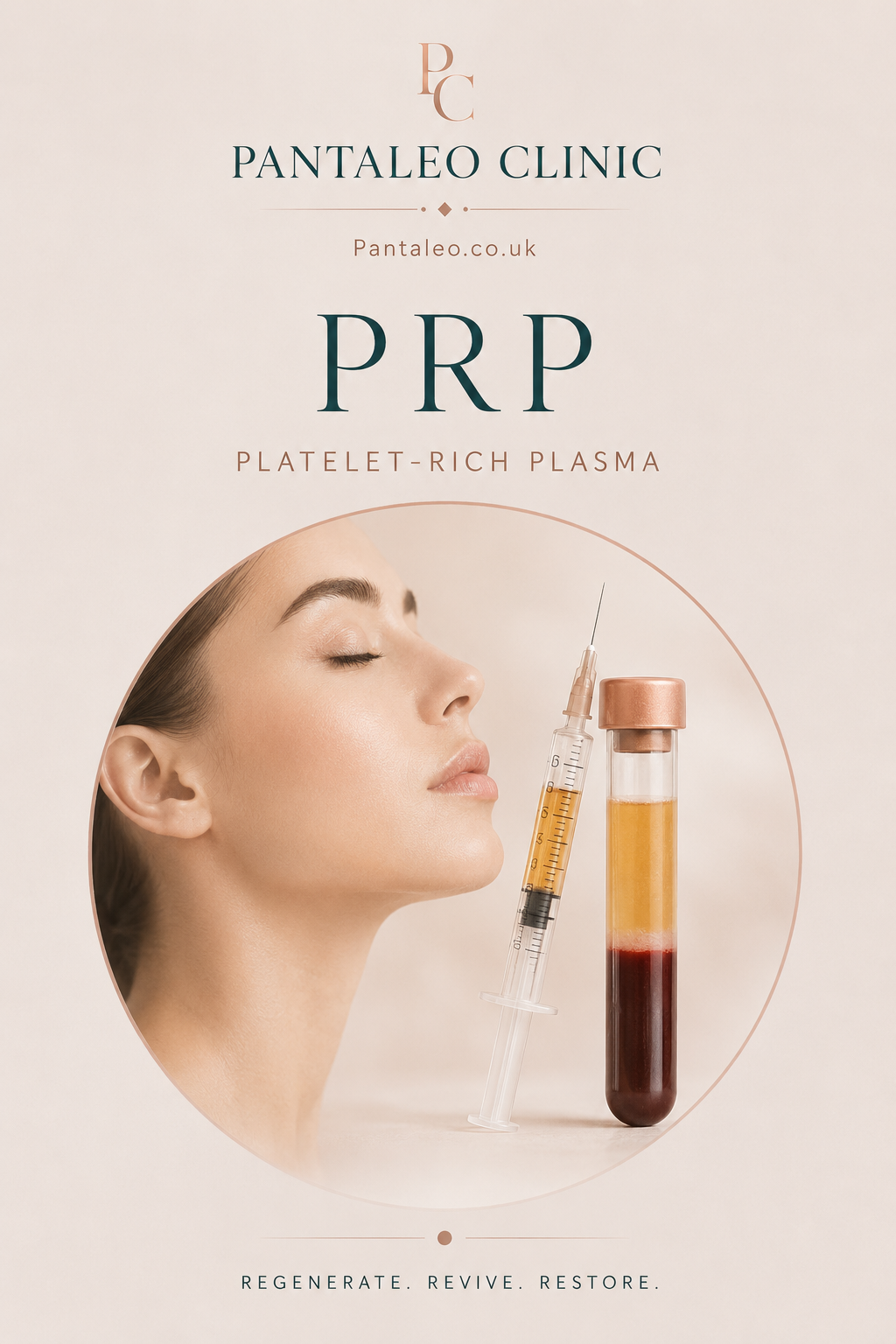
Hair thinning and female pattern baldness affect millions of women, often causing significant concern about appearance and confidence. Many women notice gradual hair loss around the crown, widening partings, or overall decreased hair density, particularly after hormonal changes or with advancing age. Understanding available treatment options has become increasingly important as more women seek effective solutions for hair restoration.
Platelet-Rich Plasma (PRP) therapy has emerged as a promising treatment for female pattern baldness, offering a natural approach to hair restoration using the body's own healing mechanisms. This innovative therapy involves extracting platelets from the patient's blood and injecting them into areas of thinning hair to stimulate follicular activity and promote hair growth.
This article explores how PRP therapy works for female pattern baldness, examining the science behind the treatment, expected outcomes, and important considerations for women considering this regenerative approach to hair restoration. We'll discuss treatment suitability, realistic expectations, and the importance of professional assessment when exploring hair loss solutions.
How does PRP help with female pattern baldness?
PRP therapy stimulates hair follicles through concentrated growth factors and proteins found in platelets. When injected into thinning areas, PRP can potentially improve hair density, thickness, and overall scalp health by encouraging the hair growth cycle and extending the active growth phase of existing follicles.
Understanding Female Pattern Baldness
Female pattern baldness, medically known as androgenetic alopecia, represents the most common form of hair loss in women. Unlike male pattern baldness, which typically creates distinct receding patterns, female pattern baldness usually manifests as diffuse thinning across the crown and top of the scalp, with the hairline often remaining intact.
This condition affects approximately 40% of women by age 50, with prevalence increasing with age. The pattern typically begins with gradual widening of the central hair parting, followed by overall thinning that becomes more noticeable over time. Many women first notice increased hair shedding, reduced hair volume, or difficulty styling their hair as effectively as before.
Hormonal fluctuations, particularly declining oestrogen levels during menopause, can accelerate this process. Genetic predisposition plays a significant role, with family history being a strong indicator of likelihood to develop the condition. Understanding these factors helps explain why female pattern baldness affects women differently and why treatment approaches must consider individual circumstances.
The Science Behind PRP Therapy
Platelet-Rich Plasma therapy harnesses the body's natural healing processes through concentrated platelets containing numerous growth factors. These include platelet-derived growth factor (PDGF), vascular endothelial growth factor (VEGF), and insulin-like growth factor (IGF-1), all of which play crucial roles in tissue regeneration and cellular repair.
When applied to hair restoration, these growth factors work to stimulate dormant hair follicles, improve blood circulation to the scalp, and extend the anagen (growth) phase of the hair cycle. The concentrated platelets also contain proteins that support cellular proliferation and tissue healing, potentially creating an optimal environment for hair follicle regeneration.
The treatment process involves drawing a small amount of the patient's blood, processing it through centrifugation to concentrate the platelets, and then injecting this enriched plasma into areas of thinning hair. This autologous approach means the treatment uses the patient's own biological material, reducing the risk of adverse reactions whilst providing a natural stimulus for hair follicle activity.
Research suggests that PRP may help reverse miniaturisation of hair follicles, a key characteristic of female pattern baldness where follicles gradually shrink and produce progressively thinner hairs before eventually becoming dormant.
Ready to look your best?
Book a free, no-obligation consultation with our medically led team in South Kensington.
Expected Results and Treatment Timeline
PRP therapy for female pattern baldness typically requires multiple treatment sessions to achieve optimal results. Most treatment protocols involve an initial series of three to four treatments spaced approximately four to six weeks apart, followed by maintenance treatments every three to six months.
Initial improvements may become noticeable after three to four months, as hair growth follows natural cycles and new hair takes time to become visible. Patients often report reduced hair shedding first, followed by gradual improvements in hair thickness, density, and overall scalp health over six to twelve months.
Results vary significantly between individuals, with factors such as age, extent of hair loss, overall health, and adherence to treatment protocols all influencing outcomes. Some women experience substantial improvements in hair density and thickness, whilst others may see more modest benefits such as slowed hair loss progression and improved hair quality.
It's important to understand that PRP therapy works best for women with recent or mild to moderate hair thinning, rather than areas of complete baldness where follicles may no longer be viable. The treatment aims to stimulate existing follicles rather than create entirely new ones, making early intervention potentially more effective.
Treatment Suitability and Assessment
Not all women experiencing hair loss are suitable candidates for PRP therapy. Professional assessment is essential to determine whether this treatment approach aligns with individual hair loss patterns, medical history, and treatment goals.
Ideal candidates typically include women with early-stage female pattern baldness, those experiencing recent increases in hair thinning, or individuals seeking to complement other hair restoration approaches. Women with adequate platelet counts and overall good health generally respond better to treatment.
Certain medical conditions may affect treatment suitability, including bleeding disorders, active scalp infections, or specific medications that influence blood clotting. Pregnancy and breastfeeding may also preclude treatment, making thorough medical assessment crucial before proceeding.
A qualified practitioner will evaluate hair loss patterns, examine scalp condition, review medical history, and discuss realistic expectations during consultation. This assessment helps determine whether PRP therapy represents an appropriate treatment option or whether alternative approaches might be more suitable for individual circumstances.
Comparing PRP to Other Hair Loss Treatments
PRP therapy represents one of several approaches available for female pattern baldness, each with distinct advantages and limitations. Understanding these differences helps women make informed decisions about their hair restoration journey.
Topical treatments such as minoxidil offer a non-invasive approach but require daily application and may cause scalp irritation in some individuals. Prescription medications can be effective but may have systemic effects and contraindications that limit suitability for some women.
Hair transplantation provides more dramatic results but involves surgical procedures with associated recovery time and costs. PRP therapy offers a middle ground, being minimally invasive whilst potentially providing natural-looking improvements without the commitment of daily topical applications.
Many practitioners suggest that PRP therapy can complement other treatments, potentially enhancing overall results when used as part of a comprehensive hair restoration programme. This combined approach may be particularly beneficial for women with moderate hair loss who wish to optimise their treatment outcomes.
Not sure which treatment is right for you?
Speak to our practitioners — we will assess your needs and recommend a tailored plan.
Aftercare and Optimising Treatment Outcomes
Following PRP treatment, proper aftercare supports optimal healing and potentially enhances treatment effectiveness. Practitioners typically recommend avoiding hair washing for 24-48 hours post-treatment to allow the PRP to integrate properly with scalp tissues.
Gentle scalp care becomes particularly important following treatment, with recommendations often including avoiding harsh chemical treatments, excessive heat styling, or tight hairstyles that could stress recovering follicles. Sun protection for the scalp may also be advised, particularly in the days immediately following treatment.
Maintaining overall health through balanced nutrition, adequate hydration, and stress management may support treatment outcomes. Some practitioners recommend specific vitamins or supplements that support hair health, though these should only be taken following professional guidance.
Regular follow-up appointments allow practitioners to monitor progress, adjust treatment protocols if necessary, and provide ongoing guidance for optimising results. Professional consultation enables personalised aftercare recommendations based on individual response to treatment.
Potential Benefits and Limitations
PRP therapy offers several potential advantages for women with female pattern baldness, including its natural approach using the body's own healing mechanisms. The minimally invasive nature of treatment means minimal downtime, allowing most women to return to normal activities shortly after treatment.
Many women appreciate that PRP doesn't require daily applications like topical treatments, making it convenient for those with busy lifestyles. The treatment may also improve overall scalp health, potentially creating better conditions for hair growth beyond the immediate effects of the concentrated platelets.
However, limitations include the need for multiple treatments over time and the variability in individual responses. Not all women will experience significant improvements, and results may take several months to become apparent. The treatment requires ongoing maintenance to sustain benefits, representing a long-term commitment.
Cost considerations are important, as multiple treatments and maintenance sessions can represent a significant investment. Additionally, PRP therapy may not be suitable for women with advanced hair loss where follicles are no longer responsive to stimulation.
Who May Benefit from Professional Consultation
Women experiencing noticeable hair thinning, increased shedding, or changes in hair quality may benefit from professional assessment. Early consultation can help identify the underlying causes of hair loss and determine the most appropriate treatment approach before changes become more pronounced.
Sudden or rapid hair loss, patchy hair loss patterns, or hair loss accompanied by scalp irritation or other symptoms warrant professional evaluation to rule out underlying medical conditions that may require different treatment approaches.
Women considering PRP therapy should seek consultation to discuss their specific hair loss patterns, medical history, and treatment goals. Professional assessment helps determine realistic expectations and whether PRP represents the most suitable option for individual circumstances.
Those already using other hair loss treatments may benefit from consultation to explore whether PRP therapy could complement their existing treatment regimen and potentially enhance overall outcomes.
Trusted, medically led care in London
Explore our full range of aesthetic treatments and transparent pricing.
Key Points to Remember
PRP therapy uses concentrated platelets from your own blood to potentially stimulate hair follicles and improve hair density in female pattern baldness Treatment typically requires multiple sessions over several months, with results becoming apparent gradually over six to twelve months Best results are often seen in women with early to moderate hair thinning rather than areas of complete hair loss Individual responses vary significantly, and not all women will experience substantial improvements The treatment is minimally invasive but requires ongoing maintenance sessions to sustain benefits Professional assessment is essential to determine suitability and develop realistic expectations for treatment outcomes
Frequently Asked Questions
How long do PRP results last for female pattern baldness? Results typically last 12-18 months, though this varies between individuals. Most women require maintenance treatments every 3-6 months to sustain benefits. The longevity of results depends on factors such as age, progression of hair loss, and individual response to treatment. Some women may experience longer-lasting improvements, whilst others might need more frequent treatments to maintain results.
Is PRP therapy painful for hair loss treatment? Most women experience mild discomfort during the injection process, which is generally well-tolerated. Topical anaesthetic can be applied to minimise discomfort. Some temporary soreness or tenderness at injection sites may occur for 24-48 hours post-treatment. The procedure typically takes 45-60 minutes, with the actual injection process being relatively brief. Most women find the discomfort manageable and temporary.
Can PRP therapy be combined with other hair loss treatments? Yes, PRP therapy can often complement other hair restoration approaches such as topical treatments or specific medications for hair loss. Many practitioners recommend combined treatment strategies to optimise results. However, timing and compatibility of different treatments should always be discussed with a qualified practitioner to ensure safety and effectiveness. Individual treatment plans should be developed based on specific circumstances and treatment goals.
Who should avoid PRP therapy for hair loss? Women with bleeding disorders, active scalp infections, certain autoimmune conditions, or those taking specific blood-thinning medications may not be suitable candidates. Pregnant or breastfeeding women are typically advised to postpone treatment. Those with very advanced hair loss where follicles are no longer viable may not benefit from PRP therapy. Thorough medical assessment is essential to determine suitability.
How soon can I wash my hair after PRP treatment? Most practitioners recommend waiting 24-48 hours before washing hair after PRP treatment to allow optimal integration of the plasma with scalp tissues. When you do resume hair washing, use gentle, sulphate-free products and avoid vigorous scrubbing or excessive heat. Your practitioner will provide specific aftercare instructions based on your individual treatment and scalp condition.
What factors influence PRP therapy success for female pattern baldness? Success factors include the stage and extent of hair loss, age, overall health, platelet count and quality, adherence to treatment protocols, and individual biological response. Women with recent or mild to moderate hair thinning often see better results than those with advanced hair loss. Lifestyle factors such as nutrition, stress levels, and general health may also influence treatment outcomes.
Conclusion
PRP therapy represents a promising natural approach for women experiencing female pattern baldness, utilising the body's own healing mechanisms to potentially stimulate hair follicles and improve hair density. While not suitable for everyone, this minimally invasive treatment may benefit women with early to moderate hair thinning who are seeking alternatives to topical treatments or more invasive procedures.
Understanding the science behind PRP therapy, realistic expectations for results, and the importance of proper assessment helps women make informed decisions about their hair restoration journey. The treatment requires commitment to multiple sessions and ongoing maintenance, but may offer meaningful improvements in hair quality and density for appropriate candidates.
As with any aesthetic treatment, individual results vary significantly, and what works well for one person may not be as effective for another. Professional consultation remains essential for determining treatment suitability, developing realistic expectations, and creating personalised treatment plans that align with individual goals and circumstances.
Treatment suitability, risks, and expected outcomes should always be assessed individually during a professional consultation.
Disclaimer: This article is intended for general educational purposes only and does not constitute personalised medical or aesthetic advice. Individual treatment recommendations, suitability assessments, and expected outcomes require consultation with a qualified healthcare professional.
You may also find our guide useful: Is PRP Hair Treatment Permanent? What the Clinical Data Shows.
Written by Pantaleo Team
Medically led aesthetic clinic
Rejuvenation
Interested in PRP Injections?
Book a complimentary, no-pressure consultation with our GDC-registered practitioner to find out whether this treatment is right for you.